


No. 17, 2026 | 30 October 2026
Go to:
From FRSA's Executive Director
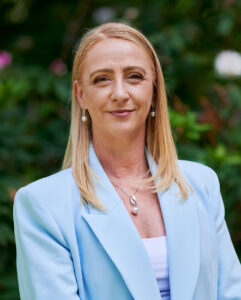
This week I have had the opportunity to sit in on a couple of our Department of Social Services Communities of Practice Groups (CoPs) which has been a great way to get my feet back under the desk after a couple of weeks away. These conversations are always so close to where the action is.
We do have the DSS Children and Families Support Program Grant Application process still live, with applications closing this afternoon. I have heard through those CoPS and from other members who’ve been in touch that the last few weeks has been an intense period. This is of course no surprise. I have been hearing stories from people that are aspirational and hopeful, as well as the stories that reflect regret and grief as organisations navigate through the Grant Guidelines and make decisions about the future direction of their work under the new program. I look forward to hearing more from our network over the coming weeks.
In light of the significant time and resources being directed to the Grant Application activity, FRSA is extending our Call for Abstracts process for National Conference 2027. You now have until WEDNESDAY 18 November to submit applications. We are really looking forward to showcasing the sector’s work in Melbourne in May next year.
It is also AGM (Annual General Meeting) time of the year which also gives us so much insight into the amazing work our sector is doing. We will be holding our AGM virtually on Wednesday 25 November 2026 at midday (AEDT) – the Notice of Meeting was sent out to our members on Friday last week.
I take the opportunity to remind members that voting in the FRSA Member Elected Board Director election is still open until 4pm Wednesday next week. If you have not had a chance to cast your vote – it is not too late. Details regarding the Election would have been sent to the Member Delegate appointed by each of our Member Organisations.
It’s National Children’s Week this week (24 October – 1 November). This year’s theme is based on UNCRC Article 30: Children have the right to use their own language, celebrate their culture and practise their religion. It’s a time to celebrate the richness and diversity of our children and support belonging across all cultures and communities.
Kind Regards,
Jackie Brady
Executive Director



FRSA National Conference 2027 - Call for abstracts DEADLINE EXTENDED!

FRSA recognises that this has been an exceptionally busy time for the sector, particularly with the ongoing Children and Family Support (CaFS) Program grant opportunity.
To allow more time for everyone to prepare and submit their abstracts, we’ve extended the call for abstracts for the FRSA National Conference 2027 until Wednesday, 18 November 2026
The theme for the FRSA National Conference 2027 is Building Strong and Safe supports for children, families and communities.
We invite you to be part of the conversation by presenting in our Conference concurrent session program. The Conference provides you with an opportunity to showcase your work and share your knowledge and experience with the sector. In particular, we are looking for abstracts that demonstrate:
- the ways you are working to meet the needs of children, adults, families and communities
- the evidence underpinning and emerging from practice
- the impact that different practices and approaches generate for the people accessing services – and for your local communities.
Submissions close 5pm AEDT Wednesday, 18 November 2026.
Please call the FRSA office if you would like to discuss further: events@frsa.org.au or via phone (02) 6162 1811.
FRSA Communities of Practice – introducing our new facilitator
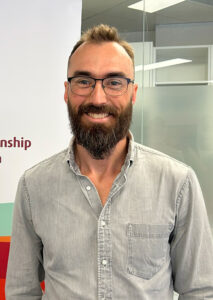 In late September, FRSA sadly farewelled our Projects and Policy Officer, Lisa Curtis. Lisa facilitated our Communities of Practice for programs funded under the Department of Social Services Families and Children Activity over the past 3 years. She did a terrific job.
Fortunately, the stars aligned for FRSA and our Family Law Community of Practice Project Officer, Rhys Jaconley, was able to step in and add the DSS program CoP groups to his role. Rhys is now our community of practice project officer for everything and we are delighted! This week, Rhys facilitated community of practice discussions with three of his new CoP groups and is enjoying meeting new people, learning about new programs and discovering the synergies with the Attorney-General’s Department funded family law services. Rhys said, “The passion, skill and wealth of understanding about clients and their families has been inspiring. I’m looking forward to learning more from the community!”
FRSA’s communities of practice are designed for program managers and senior practitioners in our member organisations. They provide a space for peer-to-peer learning through exchange of ideas and innovative practice, shared problem solving and reflection.
If you want to find out more, please contact Rhys – flprojects@frsa.org.au
Engaging Men & Boys to End the Cycle of Violence
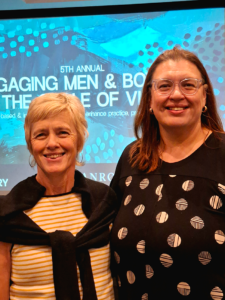
This week, FRSA Manager of Policy & Research, Dr Robyn Clough, had the privilege of attending the 5th annual Engaging Men & Boys to End the Cycle of Violence Conference in Sydney.
The Conference was delivered by The Hatchery, with event partner ANROWS, youth partner the man cave, and supporter Family Life. The program offered a strong mix of research evidence, practice approaches and lived experience insights across a breadth of topics that explored the future of prevention, educating children and young people, digital harm and the Manosphere, fatherhood, childhood trauma and violence, safeguarding men and boys from using violence, and trauma informed and culturally safe practice.
Robyn said: “I left this two-day event with renewed optimism. When alarming statistics and devastating reports of women killed by men in their lives dominate the headlines, it can be hard to see a way forward. This conference offered a powerful reminder that progress is possible. It showcased thoughtful work across research and practice, alongside encouraging program results that could be scaled up or adapted to reach more communities.”
“We know that the FRSA membership has a broad footprint working directly with people (mostly men) who use violence in their family relationships. The conference provided an opportunity to better understand the context in which our members work, the factors driving violent behaviours and opportunities to build protective factors and change harmful behaviours.”
“Among the many takeaways, one message stood out during National Children’s Week: children affected by violence must be recognised and supported in their own right. Their needs cannot be an afterthought. The call for services that respond directly to children’s experiences is one FRSA will continue to echo.”

Foodbank Hunger Report 2026
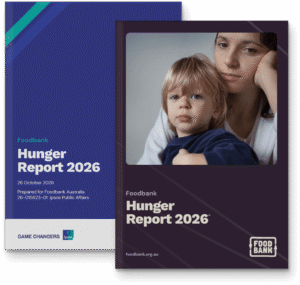 Foodbank Australia has released its Foodbank Hunger Report 2026, which found that one in three households have experienced food insecurity in the past 12 months. This equates to 3.6 million households going hungry – 100,000 more than in 2025.
Now in its 14th year, the Foodbank Hunger Report 2026 provides a comprehensive snapshot of food insecurity, based on a nationally representative survey of Australians.
Key findings include:
- Nearly seven in ten (69%) food-insecure households experienced food insecurity for the first time in the past year.
- Almost half of all households with children (45%) and of younger households aged 18 to 34 (48%) are food insecure – with 60% of single parent households reporting food insecurity.
- One in two renting households (51%) are food insecure, compared with 12% of households that own their home outright.
- More than half (53%) of all households earning $33,799 or less are food insecure, with more than a third (37%) being severely food insecure: the highest level ever recorded for this group.
- Food insecure households, with a part-time or casual worker, have reached a new historical high of 42%, showing a steady upward trend since 2024.
- Regional households are harder hit than those in the cities, with almost one in four (23%) reporting they experienced severe food insecurity, compared with 18% in metropolitan areas.
- More than half of First Nations households (57%) are food insecure, including 40% in the severe category.
You can find out more about Foodbank and read the report here.
Cyber Threat Report 2025-26
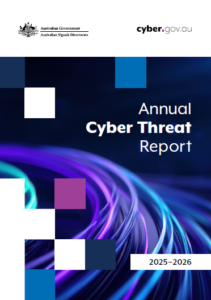 The Australian Signals Directorate’s Australian Cyber Security Centre (ASD’s ACSC) has released its seventh Annual Cyber Threat Report.
During the 2025-26 financial year, ASD’s ACSC received more than 82,000 cybercrime reports, averaging one report every 6 minutes. The ASD also responded to more than 1,500 cyber security incidents and provided over 4,400 notifications to Australian entities about potentially malicious cyber activity, representing almost an 80% increase on last year.
This year’s report highlights the growing impact of artificial intelligence (AI) on the cyber threat landscape. By enabling malicious cyber actors to operate with greater scale, speed and sophistication, AI is rendering cyber-attacks, scams and phishing attempts more efficient, effective and convincing.
Cyber security is a shared responsibility, and good cyber hygiene has never been more important.
To read the report and download helpful factsheets on becoming cyber-resilient visit the ASD website.
New national framework to prevent violence against LGBTIQA+ people
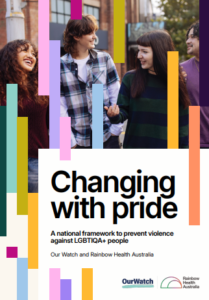 Changing with pride: A national framework to prevent violence against LGBTIQA+ people is Australia’s national evidence-based framework for preventing violence against LGBTIQA+ people and communities.
The framework was developed by Rainbow Health Australia and Our Watch and is grounded in the expertise of LGBTIQA+ organisations and communities. It provides a roadmap for governments, organisations and communities to challenge the rigid norms and systems that enable discrimination and exclusion.
In Australia, LGBTIQA+ people experience disproportionate rates of violence – but this violence is not inevitable.
The framework has been developed to:
- build on and deepen the understanding of violence against LGBTIQA+ people
- offer a conceptual model that explains the underlying drivers of this violence, including the overlap with the drivers of violence against women
- provide a set of actions that address the drivers of violence against LGBTIQA+ people
- identify stakeholders and priority sectors and settings for action
- describe principles that should guide the way the actions are implemented.
The Changing with Pride Framework and related resources are available on Our Watch’s website.
New FCFCOA Kid’s Corner promotional resources
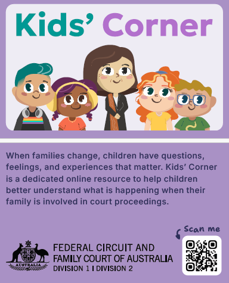 The Federal Circuit and Family Court of Australia has developed promotional resources to help connect children and families with Kids’ Corner, a dedicated section of the Court’s website for children and young people.
Kids’ Corner provides accessible, developmentally appropriate information—including animations, stories and plain-language explanations—to help children understand family change and court processes. It is also a useful resource for parents, carers and professionals who support children.
The new promotional resources include brochures for children and adults, as well as a QR code business card linking directly to Kids’ Corner. The resources are available here.
Services supporting children and families who are, or may become, involved in family law proceedings are encouraged to make these resources available to their clients.

ACNC Report tabled
The Australian Charities and Not-for-profits Commission (ACNC) has tabled its 2025-26 Annual Report in Parliament.
The report shows the sector grew in 2025–26, with increases in the number of charities, volunteers, employees and annual revenue. The ACNC registered 3,696 charities, bringing the total to 66,071 – up 3.8% from the previous year.
There was improved on-time reporting for the 2025 Annual Information Statement, with a rate of 76%, a rise from 73% the previous year and higher than the 75% target. The overall reporting rate for 2025 was 87%.
There were 2.1 million searches of the ACNC Charity Register in 2025-26.
You can read the ACNC Annual Report 2025-26 here.
Gambling harm funding boost
On 20 October 2026, the Minister for Social Services Tanya Plibersek announced a $40 million funding boost to protect Australians from gambling harms.
The investment will expand critical services that help people rebuild their financial security and recover from the impacts of gambling. With up to $10 million annually the investment is expected to double the reach of these services, increasing support from around 5,000 people each year up to 10,000.

CatholicCare Sydney launches Child Safe Action Plan
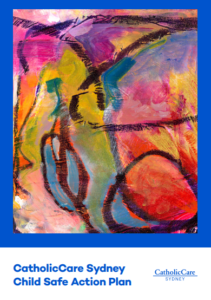 CatholicCare Sydney has launched its Child Safe Action Plan 2026–2029, outlining an organisation-wide approach to further strengthening the safety, wellbeing, rights and participation of babies, children and young people.
The three-year plan provides a clear and measurable roadmap for embedding the NSW Office of the Children’s Guardian’s Child Safe Standards across all CatholicCare Sydney services, systems and practices.
Developed through extensive consultation, the plan reflects CatholicCare Sydney’s commitment to creating environments where children and young people are not only protected from harm, but feel safe, respected, listened to and empowered to thrive.
Underpinned by CatholicCare Sydney’s CHILD Framework, the plan brings together Child Safeguarding, Child Protection and Child-Centred Practice, recognising children and young people as rights holders whose voices and experiences should inform the decisions that affect them.
Child voice and participation are reflected throughout the Action Plan, including in its design. Artwork created especially for the plan by four-year-old Max brings a child’s perspective directly into the document, providing a visual reminder that children should not only be at the centre of this work, but have meaningful opportunities to contribute to it.
The Action Plan focuses on four strategic priorities:
- Strengthening Safeguarding Awareness and Culture: Making child safety a visible, proactive and shared responsibility across the organisation.
- Embedding Safeguarding Across the Employee Lifecycle: Strengthening safeguarding practices from recruitment and onboarding through to performance management and professional development.
- Enhancing Safety and Quality Improvement: Improving systems for identifying and responding to risks, listening to feedback and driving continuous improvement.
- Developing Workforce Capability: Building the knowledge, confidence and skills of employees and volunteers through ongoing safeguarding education and professional learning.
Relationships Australia NSW launch Are We Good? Podcast
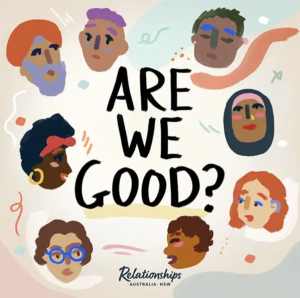 Relationships Australia NSW has launched a new six-part podcast exploring the science of human connection called Are We Good?
Hosted by journalist Marina Pliatsikas, the six-part series tackles some of today’s biggest relationship and social challenges, including loneliness, belonging, conflict, repair, and the growing role of AI in our emotional lives.
Guests include Professor Michelle Lim from Ending Loneliness Together, Professor Toby Walsh from UNSW’s AI Institute, Ben Vasiliou from The Man Cave, and Milly Rose Bannister from ALLKND, alongside other leading researchers, practitioners and advocates.
Through thoughtful conversations and evidence-informed insights, Are We Good? explores what helps people connect, why relationships matter, and what these issues mean for individual and community wellbeing.
Mission Australia - New report explores how young people view their future
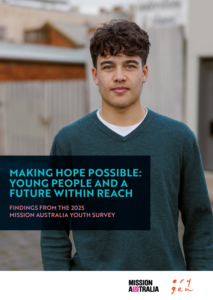 Mission Australia and Orygen have released Making Hope Possible, a new report drawing on data from Mission Australia’s 2025 Youth Survey to explore young people’s confidence in achieving the lives they want. Among the findings, just 53% of young people said they were confident they would be able to afford a safe place to live in the future. The report highlights the impact of rising housing costs on young people’s outlook and reinforces calls for greater investment in early intervention services, social and affordable housing, and adequate income support for young people.

Have your say on the future of young people in Australia
The Australian Government is seeking feedback from the youth sector, organisations and young people to help shape a new Australian Government Youth Strategy. You can make a submission or encourage young people aged 12–25 to take part in the 2026 National Youth Survey at youth.gov.au by Monday 14 December 2026.
Have your say: research on men’s behaviour change programs
Women aged 18 or older in the ACT, Victoria and Queensland are invited to share their experiences for an ANROWS-commissioned research project.
The project, led by Dr Hayley Boxall at the Australian National University, is exploring the role of men’s behaviour change programs in pathways towards stopping or reducing intimate partner violence.
The research team is seeking to hear from women whose current or former partner has completed a behaviour change program, and who feel his participation contributed to a change in his behaviour.
Interviews take 30–60 minutes and can be held by phone, online or in person. Participants’ identities will be protected in research outputs.
National Workforce Survey 2026
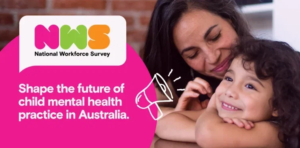 The 2026 Emerging Minds National Workforce Survey for Child, Parent and Family Mental Health is open to practitioners across Australia’s health, education, social and community service sectors. The survey explores workforce knowledge, skills, confidence, challenges and practice in responding to children’s mental health needs. You don’t need to work directly with children or specialise in mental health to participate. The findings will help inform policy, advocacy, workforce learning and the development of resources to support the sector to meet the changing needs of children and families.
- Takes approximately 25 minutes
- Confidential participation
- Open until 30 November 2026
- Chance to win one of five iPads

CHC81015 Graduate Diploma of Relationship Counselling – June 2026, Online
CHC81115 Graduate Diploma of Family Dispute Resolution – July 2026, Online
Couples Counselling Course: A contemporary and client-focused approach
If you have any events you’d like listed on the FRSA Events and Training Calendar or job vacancies you’d like listed on the FRSA Jobs Board, email Communications Officer, Vanessa Lam at communications@frsa.org.au. Please note that posting onto the FRSA website is reserved for FRSA Members only.

Activate Her Skills | Australian Multicultural Women’s Alliance and Settlement Services International Limited
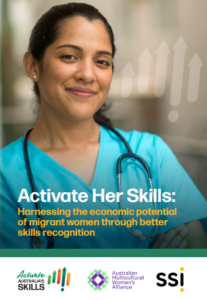 In collaboration with the Activate Australia’s Skills Campaign, the Australian Multicultural Women’s Alliance (AMWA) (led by the Federation of Ethnic Communities’ Councils of Australia in partnership with SSI and Media Diversity Australia) conducted a national survey to capture the lived experiences of migrant and refugee women navigating Australia’s system for recognising overseas skills and qualifications. This report is based on that survey, centring women’s firsthand experiences of skills assessment, professional recognition, employment outcomes and the broader social and economic impacts of underutilising their skills.
Best practice review of the model Work Health and Safety laws | Safe Work Australia
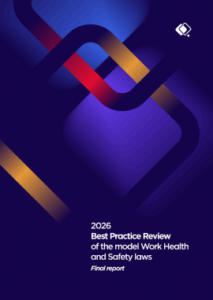 This report details recommendations and actions from the best practice review of the model Work Health and Safety (WHS) laws. The review examined jurisdictional variations to the model WHS laws, as well as outcomes from relevant government reviews and inquiries. It made 21 recommendations to maintain and strengthen harmonisation and otherwise improve the model WHS laws.
Disability trajectories and employment across the life course: Australian men from 2013 to 2025 | Australian Institute of Family Studies
The effects of disability on everyday functioning can change over time for many Australian men. Better understanding this can help us design more responsive policy, research and services. This new research highlights the implications for work and workforce participation.
Hearing health outreach services for Aboriginal and Torres Strait Islander children in the Northern Territory | Australian Institute of Health and Welfare
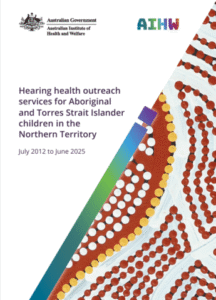 This report presents data on hearing health outreach services provided from 2012 to 2025 to First Nations children and young people in the Northern Territory. The findings emphasise that while expanded outreach delivery, workforce training and early intervention programs are successfully reducing ear disease and hearing impairment, sustained investment and service capacity are critical to meeting continuing community needs.
The Price of Survival | Consumer Action Law Centre
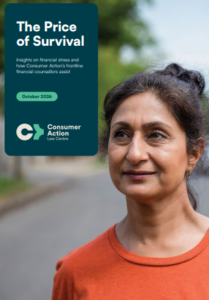 The Price of Survival: Insights on financial stress and how Consumer Action’s frontline financial counsellors assist is the second report into Consumer Action’s frontline financial counselling data and insights. The first Helpline snapshot in 2024 captured the shift to people experiencing more mortgage stress, with more employed people seeking support.
Voices for Action | National Centre for Action on Child Sexual Abuse
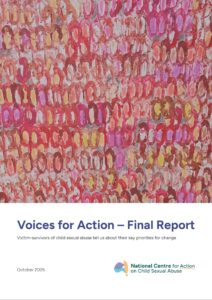 One year ago, the National Centre launched Voices for Action and asked victim-survivors what needs to change. From those submissions the National Centre released the Voices for Action report, outlining five key themes and priorities for action. The report includes:
- a discussion of the three cross-cutting threads and the five key themes that emerged from submissions
- the priorities for change identified by victim-survivors
- a discussion of how the priorities for change should be acted on by governments, systems, services, organisations and the community, and how the National Centre will draw on this knowledge and expertise to drive critical reforms.
Elder abuse perpetration: a review of the evidence | Australian Institute of Criminology
 This report canvasses key findings about the prevalence of elder abuse, the prevalence and co-occurrence of different forms of elder abuse – including financial abuse – and risk factors, perpetrator characteristics and motives, and perpetrator interventions. Notable gaps in the evidence base include an absence of Australian research on many aspects of elder abuse perpetration.
Understanding Family and Domestic Violence Evidence Paper 2026 | Relationships Australia Victoria
 Bringing together the latest available data and research, this second annual paper explores the causes and impacts of family violence, and the need for coordinated prevention and effective support for victim-survivors.
‘All Australians should be safe within their intimate and family relationships. This latest evidence indicates that much more work is needed to reach this goal.’
Balancing act: supporting working parents and carers | Australian Human Rights Commission
 This report examines the discrimination parents and carers continue to face in Australian workplaces. It draws on evidence from workers, employers, unions and other experts, as well as a comprehensive review of existing research. The report identifies 18 areas for reform to strengthen protections and better support shared care.
13YARN is a 24/7 helpline providing a confidential, culturally safe space for Aboriginal & Torres Strait Islander people to yarn about needs, worries or concerns. On 20 October, 13YARN launched text and chat support options to complement the existing phone supports.
Childcare and family policy: challenges and opportunities | Menzies Research Centre
 This paper tests Australian childcare policy against three goals: supporting parents, lifting workforce participation and helping children develop. The paper proposes four main reforms: target existing subsidies; allow subsidised care in the home; introduce a grandparents’ allowance; and give young families more financial support to help reverse the declining birth rate.
Auslan resource supports recognition of DFV in children with disability | Barnardos Australia
Barnardos Australia has developed an Auslan animation in partnership with the Deaf community to help build understanding of the signs of domestic and family violence in children with disability. The resource supports the organisation’s Connecting Three Dots program, which provides trauma-informed therapeutic support for children with disability across Western NSW who have experienced domestic and family violence. The animation offers an accessible tool for practitioners, families and communities seeking to better recognise and respond to abuse.
Want to submit something to the FRSA eBulletin?
If you have an news item or event that you would like to be featured in a future eBulletin please submit your announcement via the form below or email communications@frsa.org.au with the subject “FRSA eBulletin submission”.
Please note FRSA members receive priority for items posted in the eBulletin. And to keep information current, relevant and useful, submissions will not be repeated from week to week.
Subscribe
Subscribe to receive future eBulletin editions directly to your inbox!
