


No. 15, 2026 | 25 September 2026
Go to:
From FRSA's Executive Director
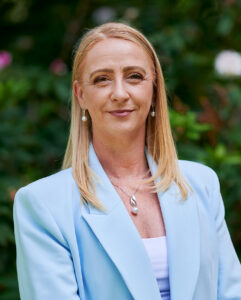
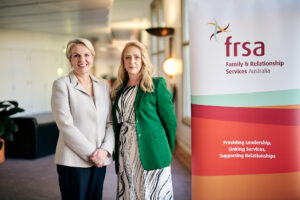
A big thank you to all the FRSA members who attended the Strategic Leadership Forum last week and for being such great advocates for the network. Reading through the feedback – we had great conversations and engagement with the 55 politicians and/or advisers our delegations met with. There is great Interest and appreciation for the work the FRS sector.
In the closing days ahead of the release of the new Children and Family Support Program Grant Guidelines it was a timely opportunity for CEOs and Senior Leaders from our Membership to come together to talk through the last minute burning questions and hear from key people in the Department of Social Services on Day 1 and Minister Plibersek at the Member Breakfast at Parliament House on Thursday morning as part of the Strategic Leadership Forum held 16-17 September.
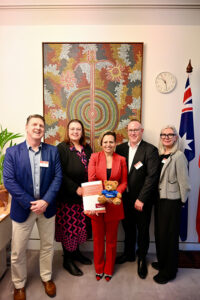 As our FRSA workforce project moves into its final report stage it is also great to have a clear picture and understanding of the FRS workforce emerging. (These findings were also presented at SLF.) The skills and expertise they bring to their work are vital for achieving impact and change in the often very complex lives the children, women and men we support are living when they walk through our doors.
There was also a lot of interest in the work our sector does in supporting victim survivors of family violence and those people who use violence. As Minister Plibersek clearly articulated in her conversation with us during the morning breakfast – the 2nd Action Plan design and Government’s plans for tackling Family, Domestic and Sexual Violence in this country are top of mind for her right now.
We are very excited to release the call for abstracts for the FRSA Child Inclusive Practice Forum being held in Canberra at Old Parliament House, 10-11 March next year. This event is held once every two years which brings together many of our wisest and most skilled people working with children and young people in ways that ensure the children and young people are at the centre and have their voice/s heard.
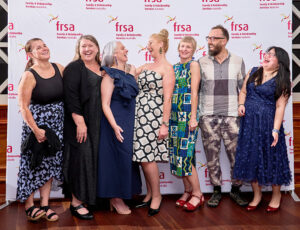 Before closing off today, I want to thank and acknowledge our fabulous policy/project officer – Lisa Curtis – for spending the last two years and 8 months as part of the FRSA team and indeed our FRSA network. She is thoughtful, enthusiastic, diligent, inquisitive and super lovely and we are sorry to see her go but wish her all the very best with her next steps in life.
Jackie Brady
FRSA Executive Director



Child Inclusive Practice Forum 2027 - Call for abstracts now open!

Child Inclusive Practice is the foundation for working with families accessing family dispute resolution services to ensure that children’s views and perspectives are actively heard and considered in determining parenting arrangements. As family circumstances become increasingly complex and service systems continue to evolve, practice across a range of services, beyond family law, strive to ensure that children’s and young people’s views and experiences remain central while balancing safety, broader family needs, and the child’s best interests. The theme for 2027 is Children and Young People in Their Own Right.
The forum will showcase innovative approaches, emerging evidence, and reflective practice from across the family and relationship services sector, providing opportunities to strengthen capability, share practical strategies and explore how child inclusive practice can continue to evolve across a range of service settings.
FRSA invites abstracts for presentations from all professional domains that promote the genuine participation of children and young people and ensure their experiences and views are central in practice. The content will have a focus on research and practice presentations that incorporate the views and experiences of children and young people. How can we engage ethically and meaningfully with children and young people in their own right?
A limited number of concurrent sessions will be offered for a 30 or 60 minute verbal presentation (including question time).
Submissions close 9:00pm AEDT, Friday, 23 October 2026.
Please call the FRSA office if you would like to discuss further: events@frsa.org.au or via phone (02) 6162 1811.
Strategic Leadership Forum 2026
FRSA’s Strategic Leadership Forum brought together CEOs and Senior Leaders from across the family and relationship services sector for two days of discussion and engagement on the issues shaping the sector.
The Forum explored workforce sustainability, with CIE’s Sarina Lacey and Dennis McCarthy sharing draft findings from FRSA’s Australia’s Family and Relationship Services Workforce – Now and into the Future project. Delegates also heard from Annie O’Rourke of 89 Degrees East about Australia’s changing political landscape.
Senior representatives from the Attorney-General’s Department and Department of Social Services provided perspectives on the future of the sector, followed by a Q&A with DSS on the Children and Family Support Program (CaFS).
Other key discussions focused on the true costs of delivering social services, with Susan Helyar highlighting the importance of strengthening understanding and visibility of these costs.
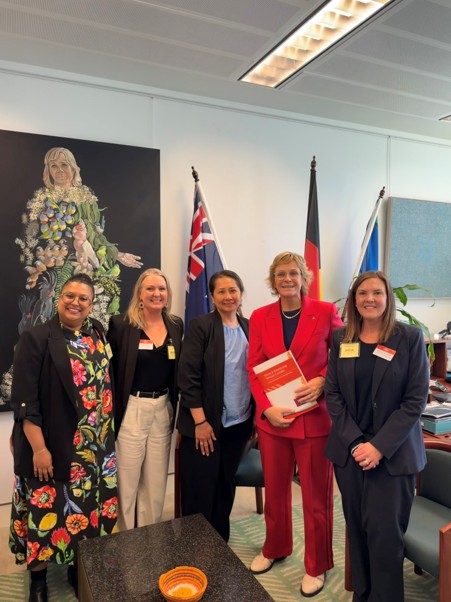
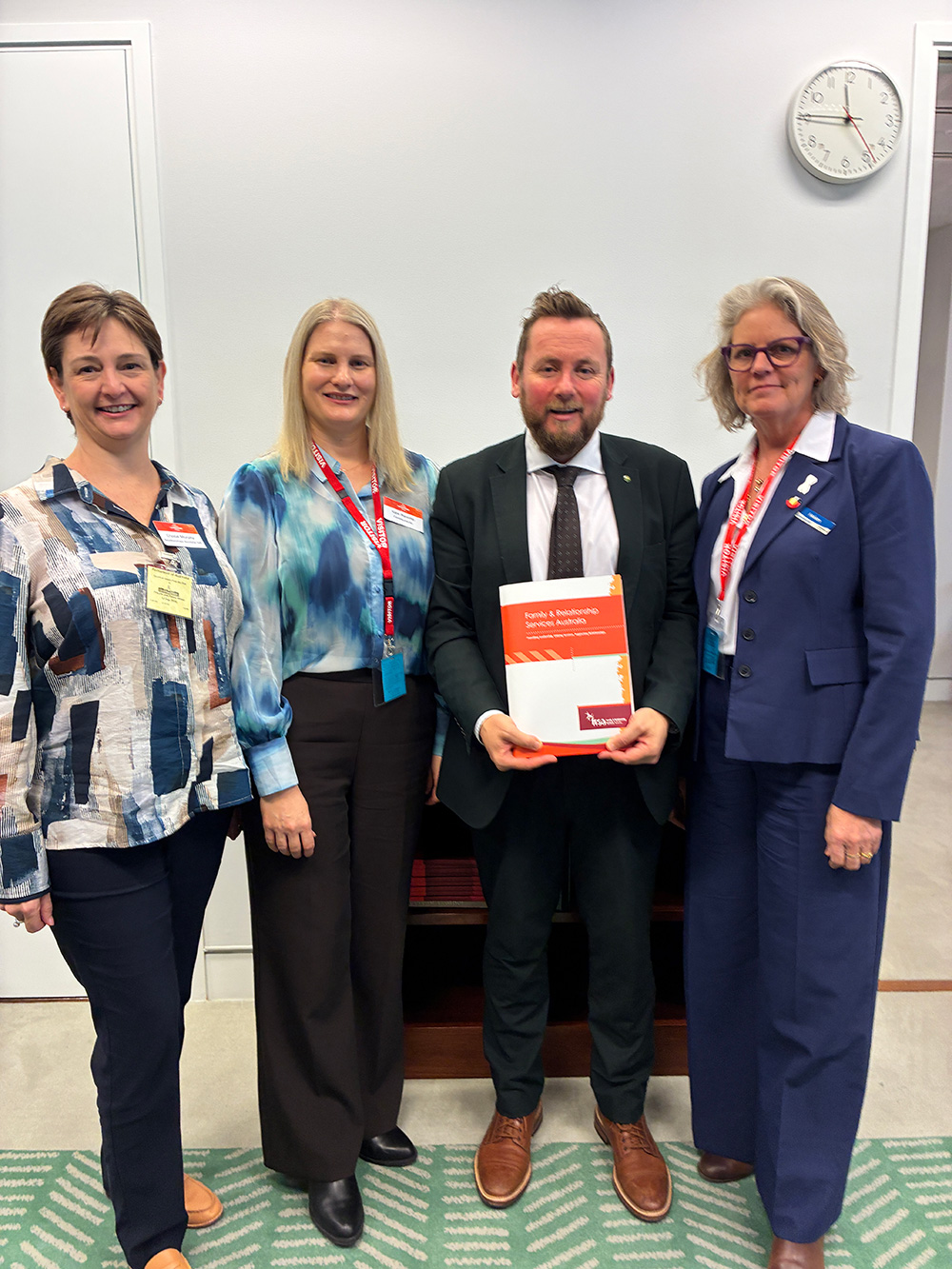
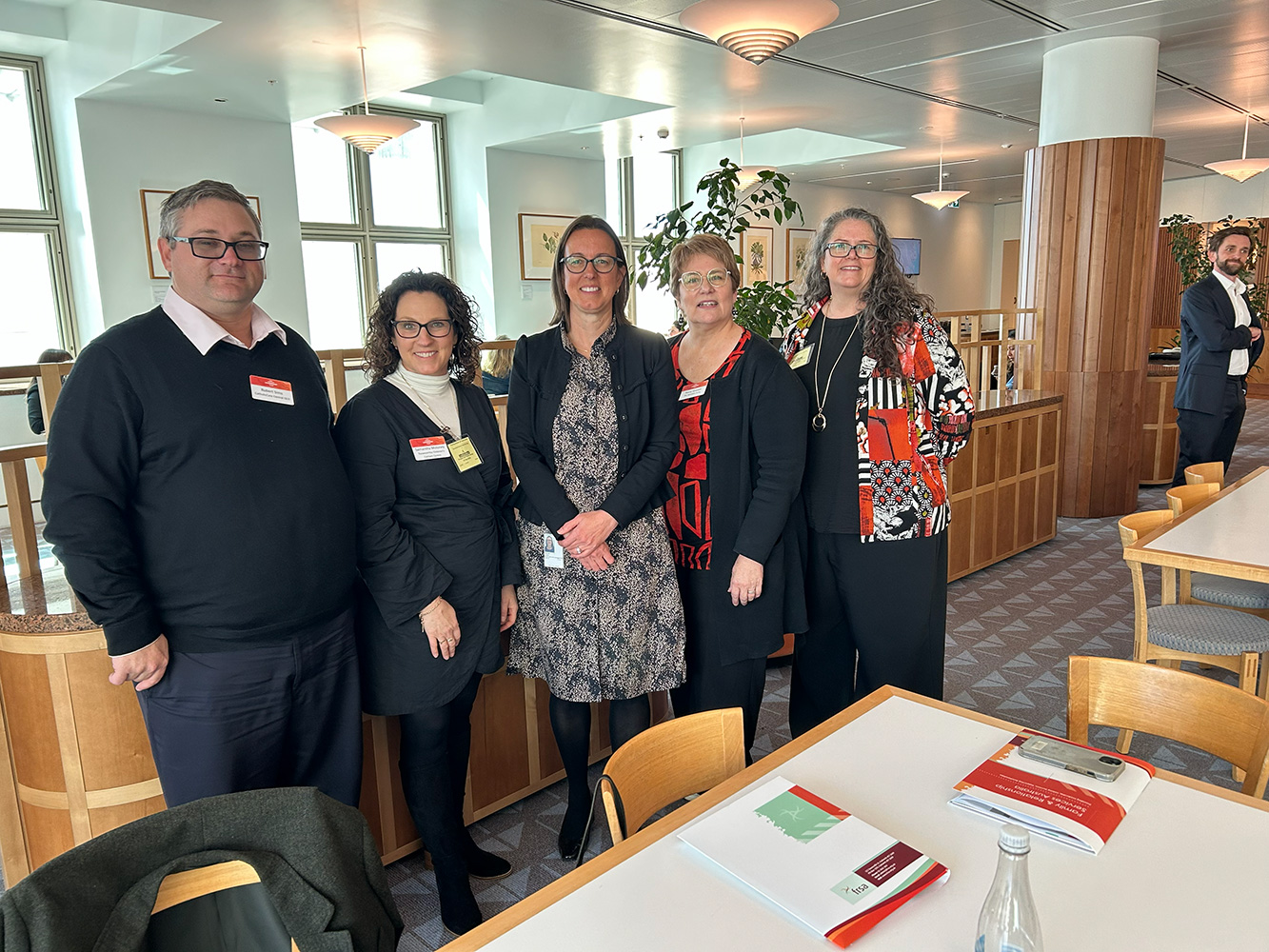
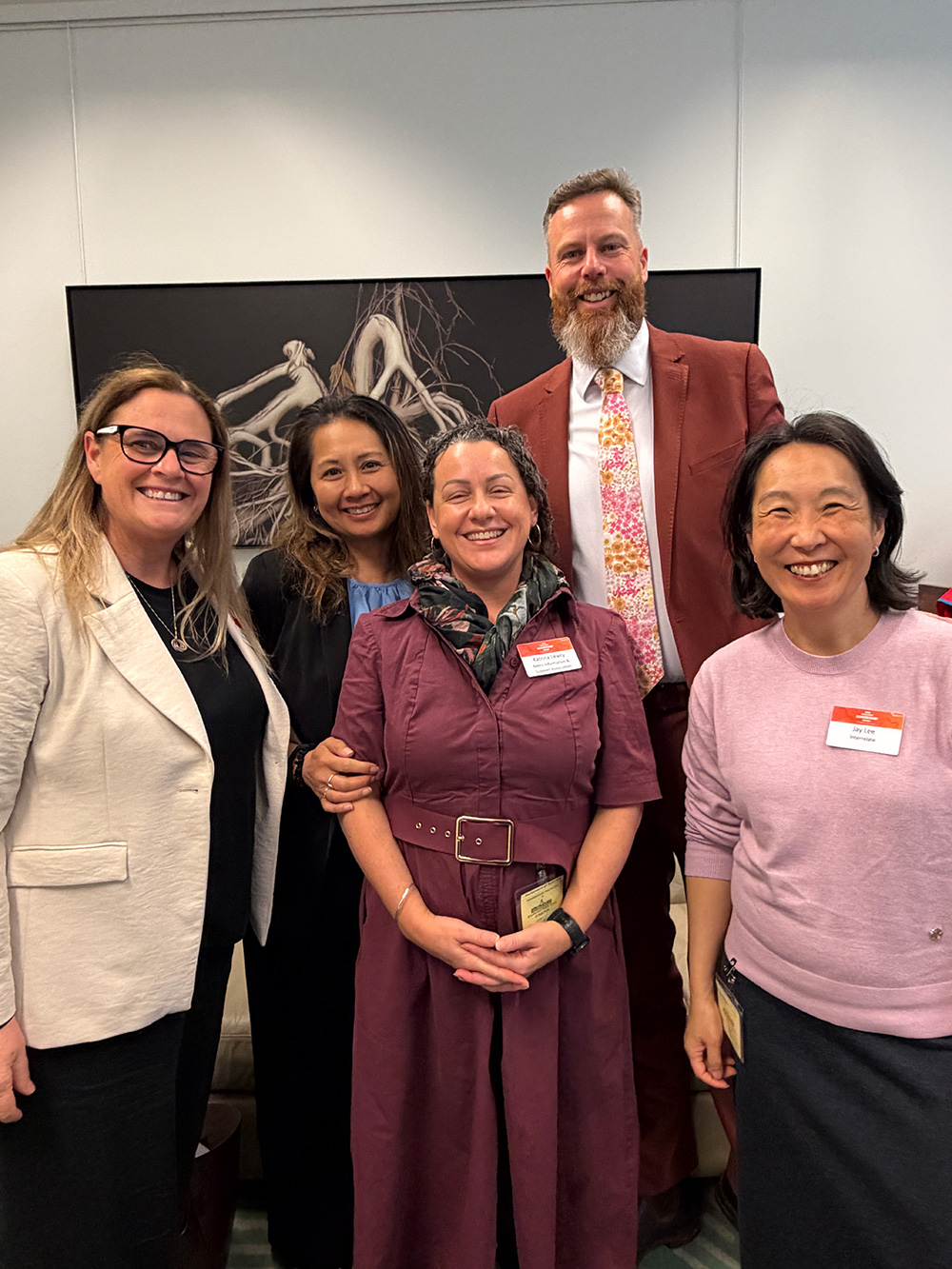
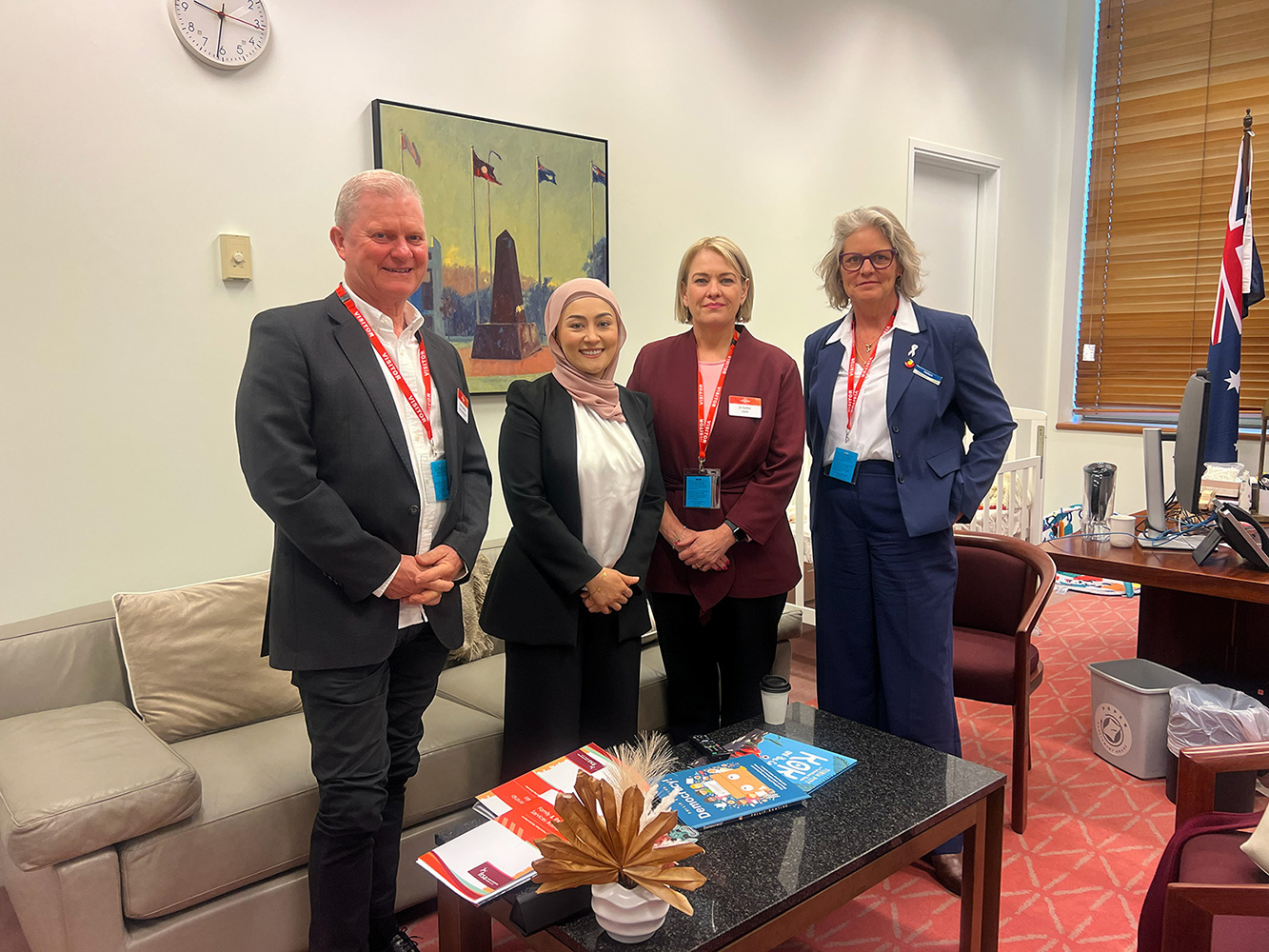
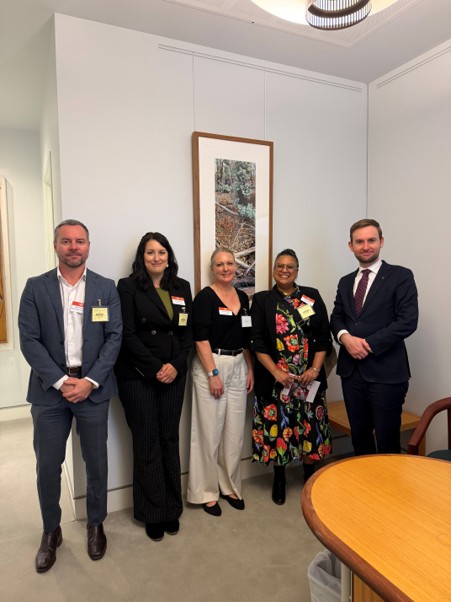
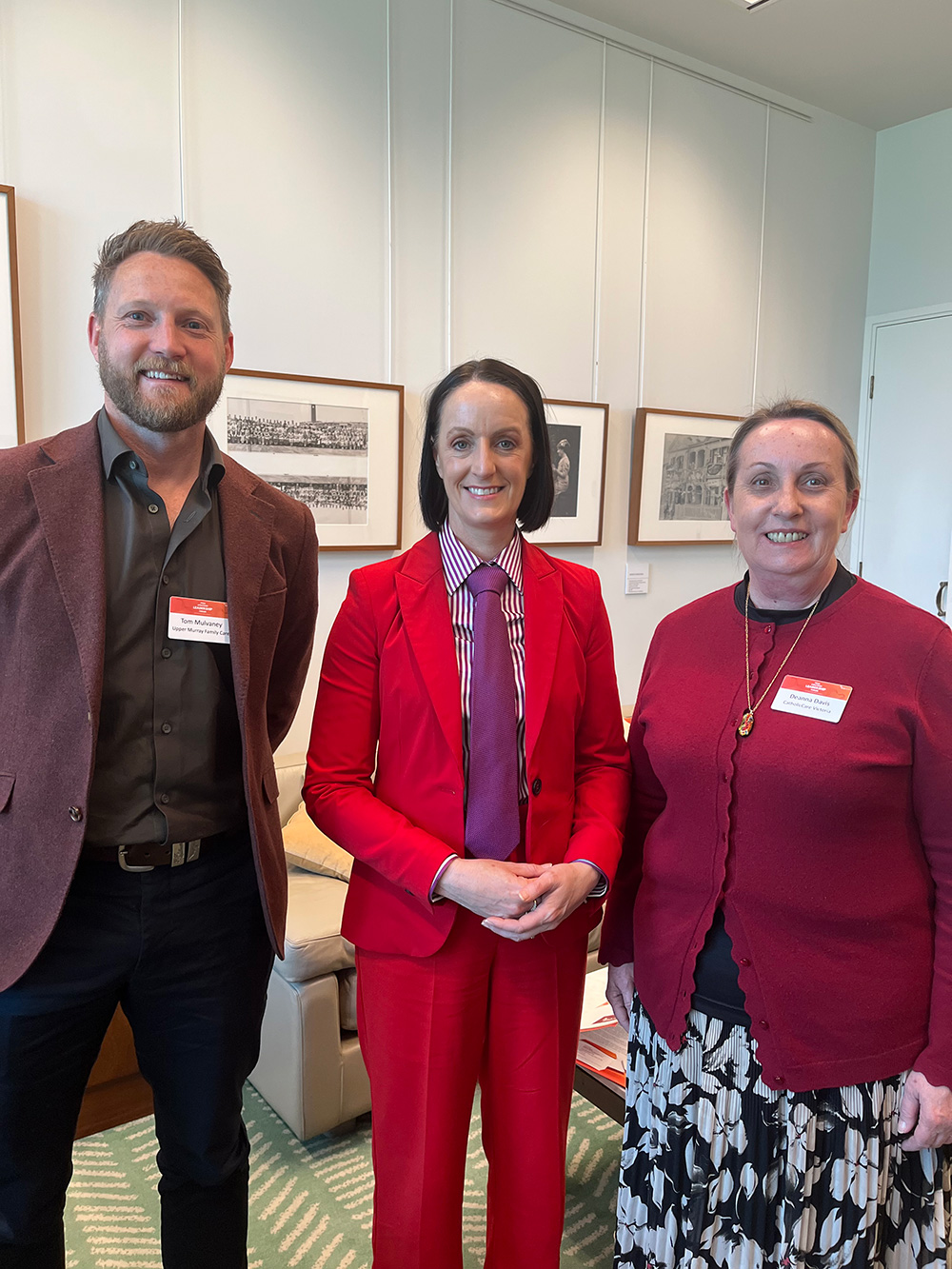
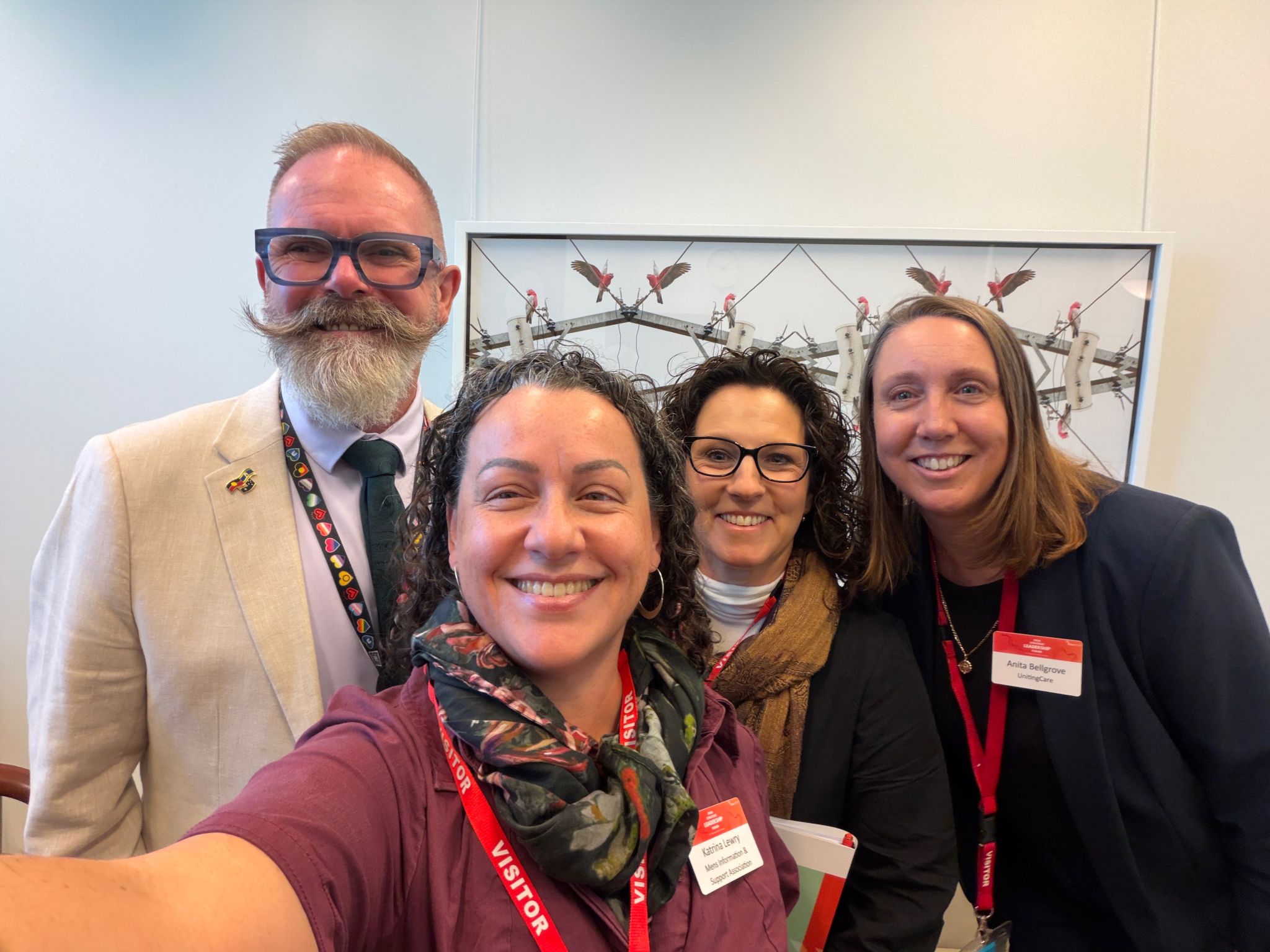
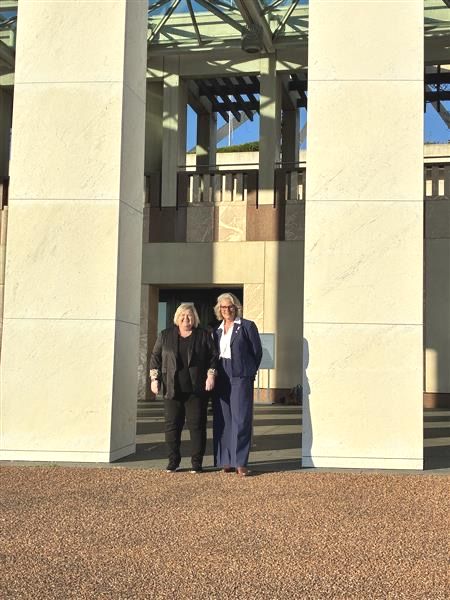
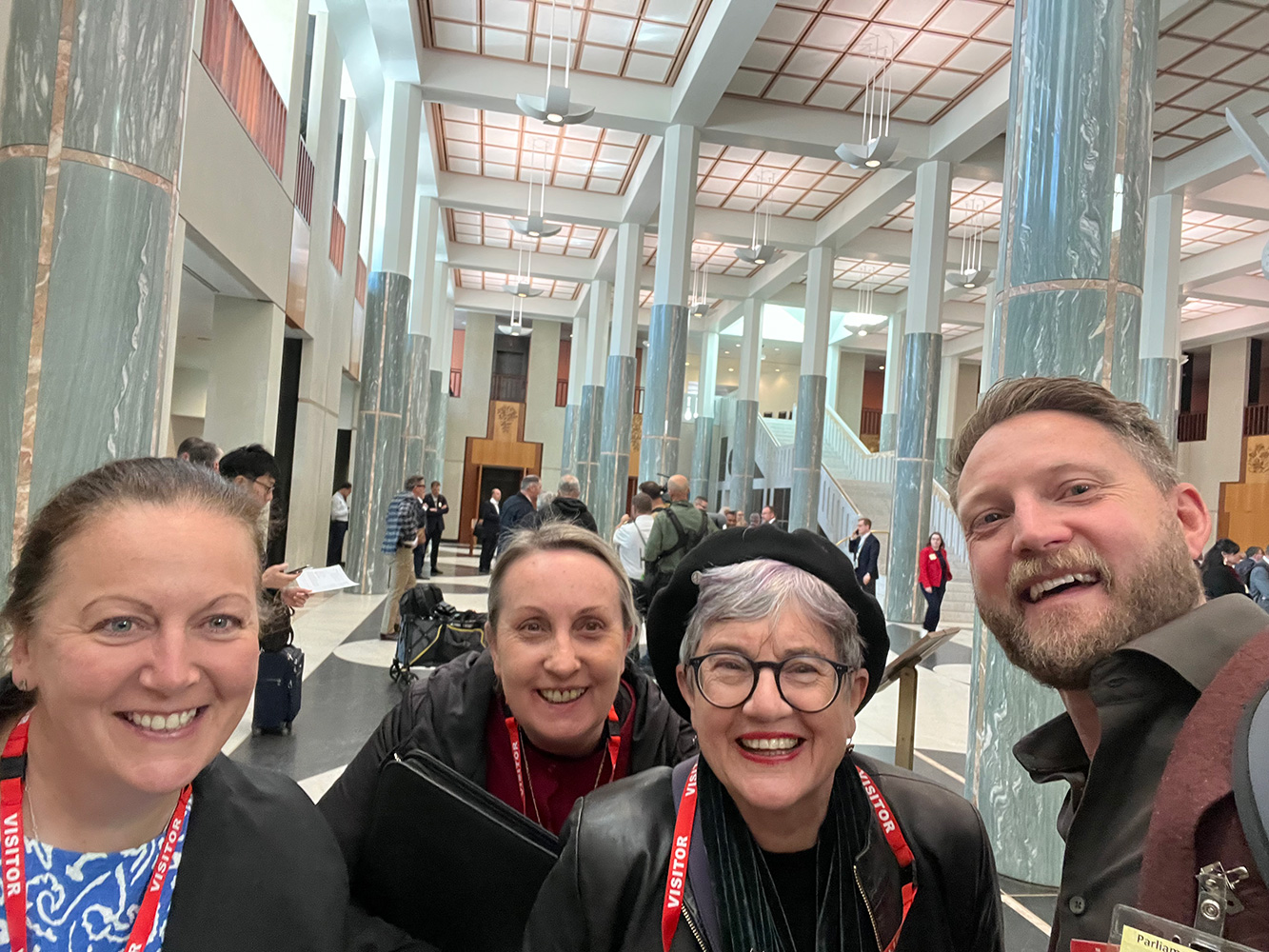
Day two began at Parliament House with breakfast speakers The Hon Tanya Plibersek, Minister for Social Services, and Melissa McIntosh MP, Shadow Minister for Social Services, Women and the NDIS before delegates headed to meet with federal parliamentarians.
The Forum provided a valuable opportunity for sector leaders to connect, hear directly from government and parliamentarians, and bring the experiences and priorities of family and relationship services into the broader policy conversation.
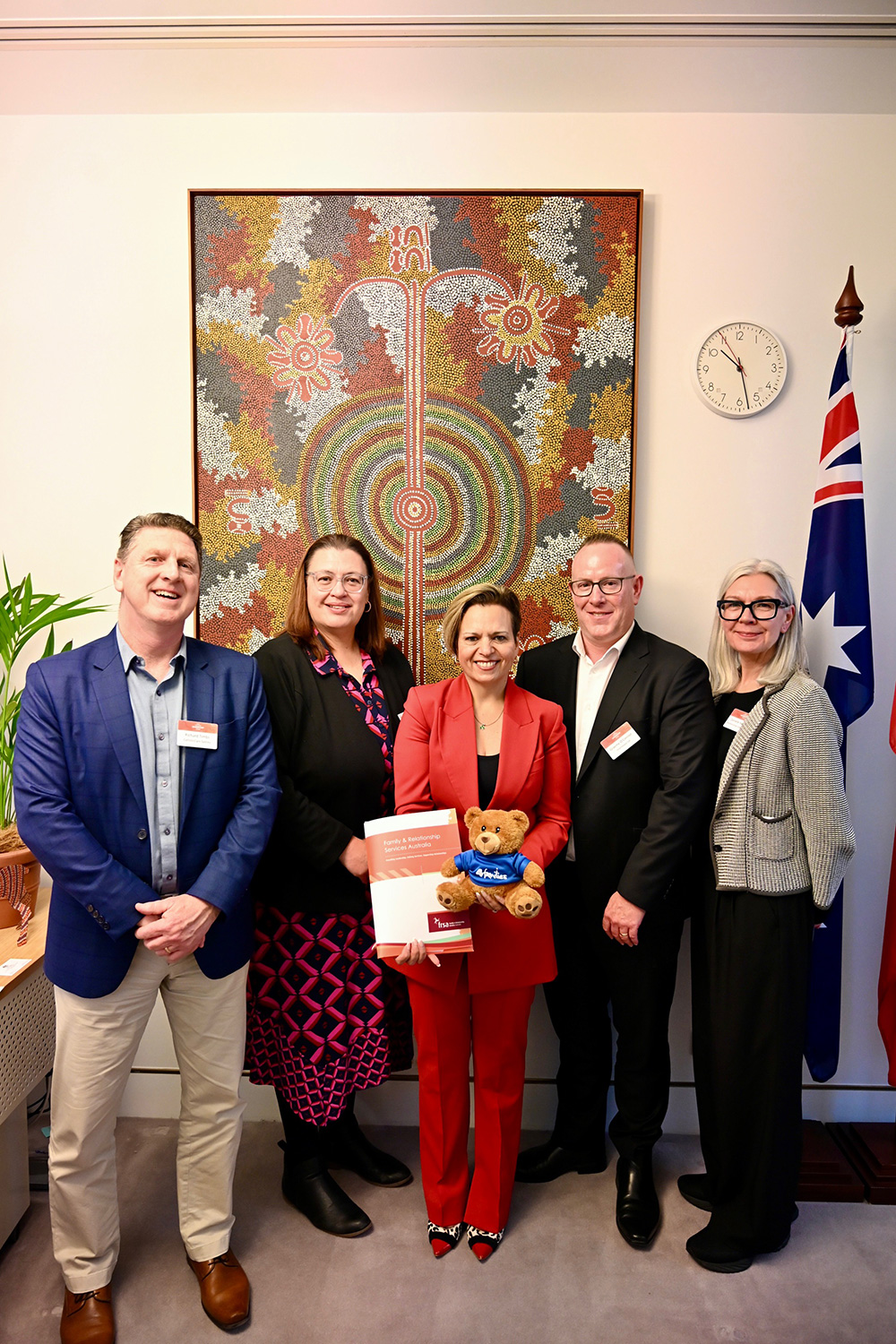
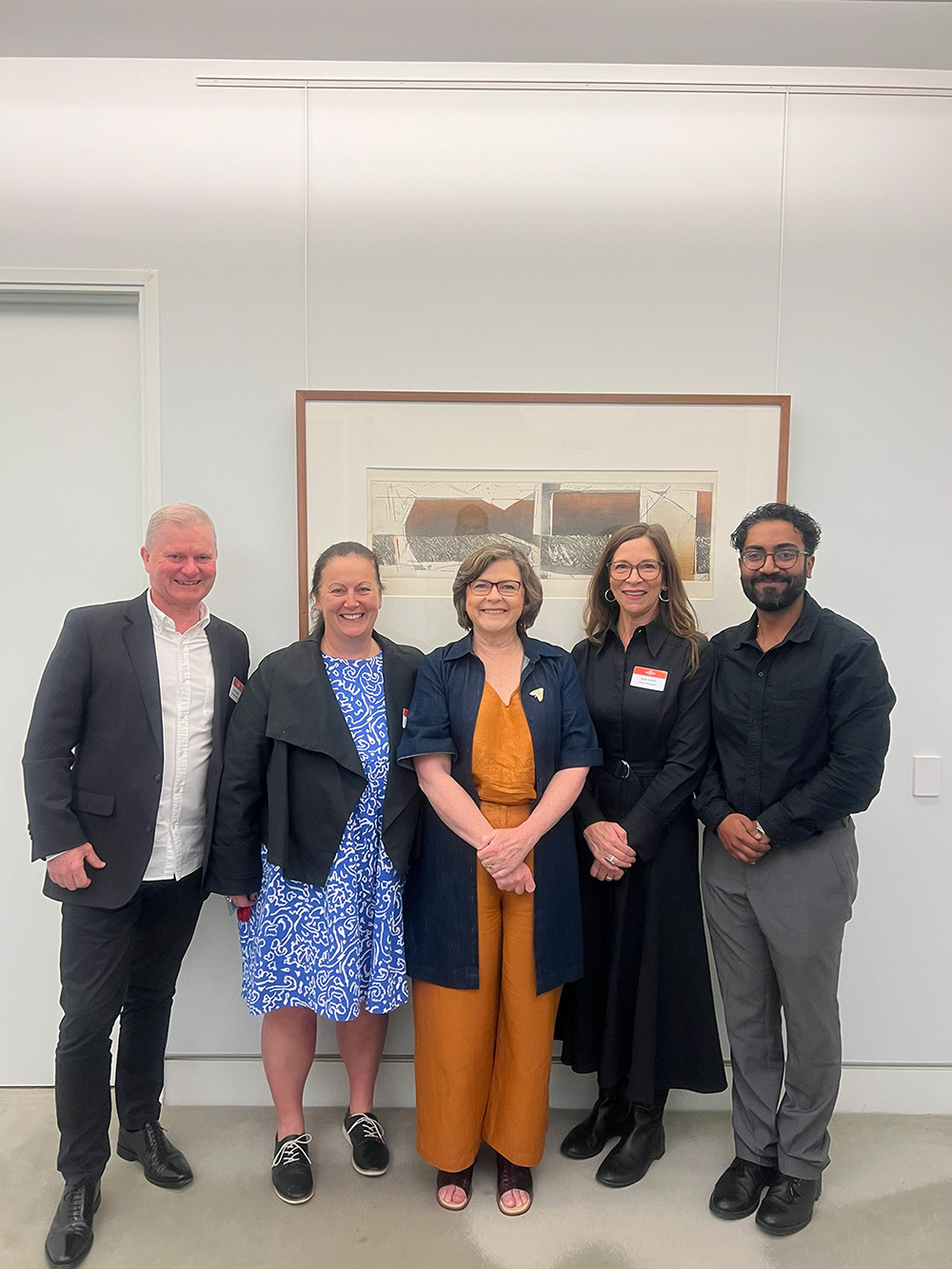
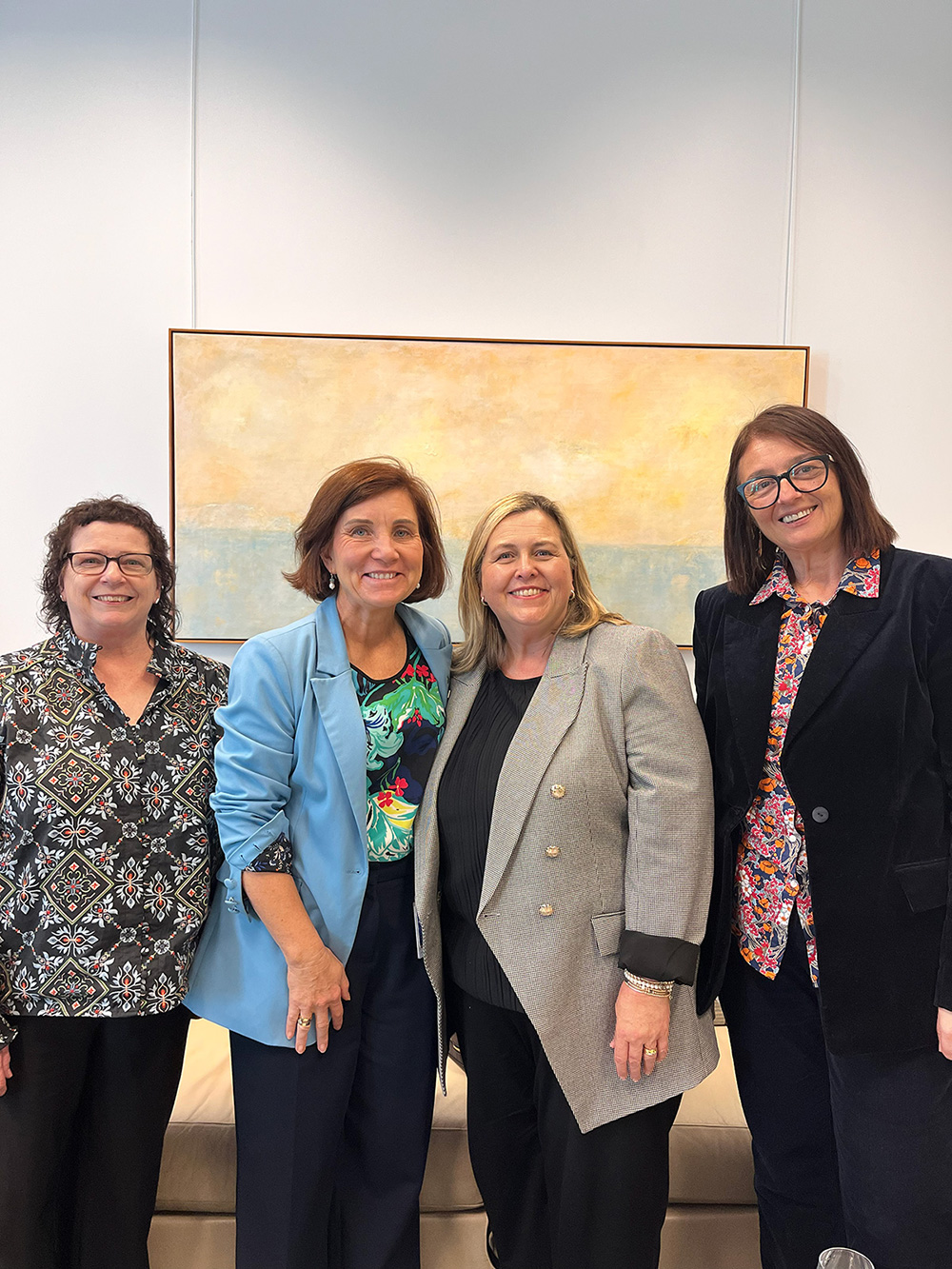
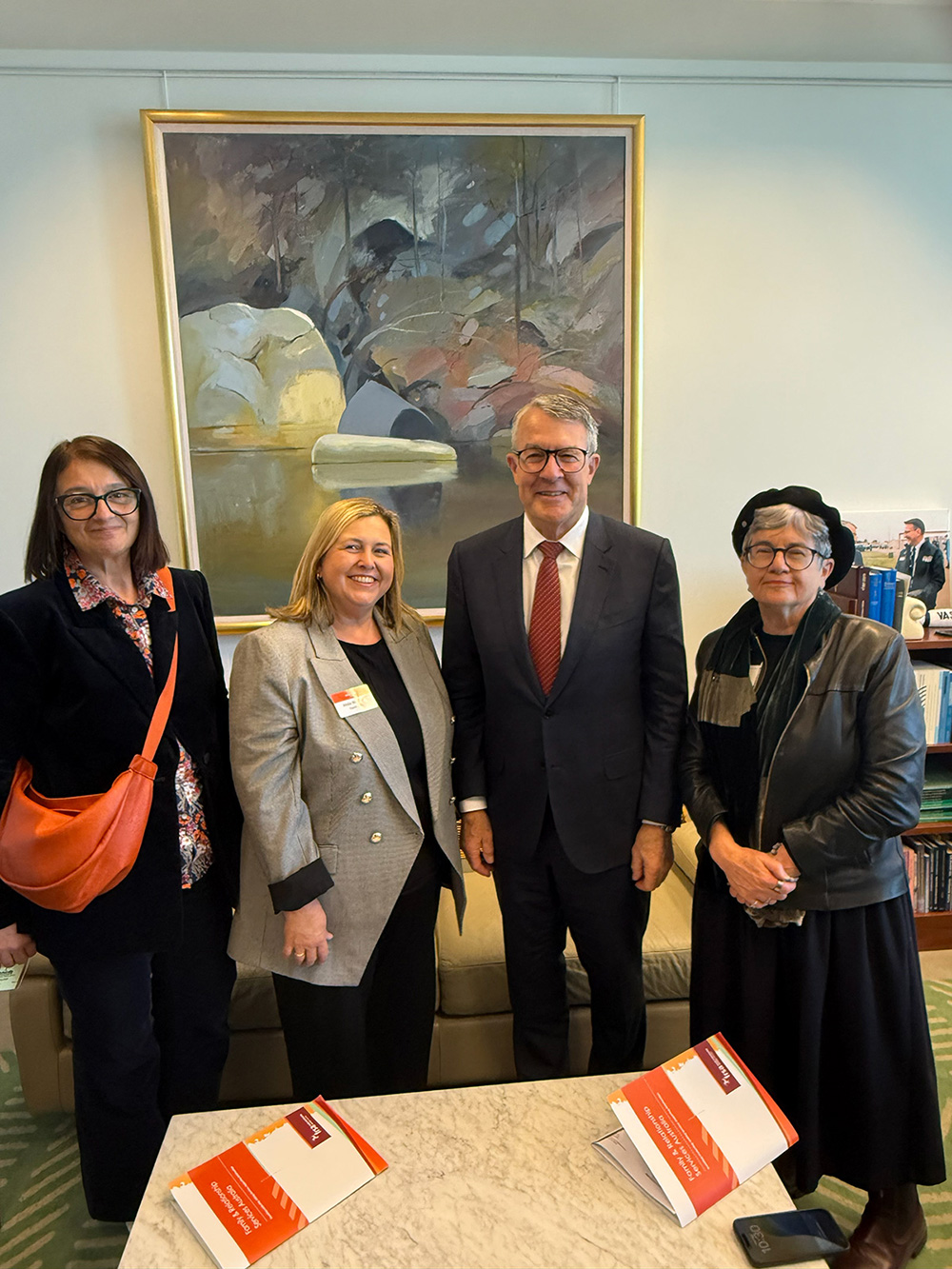
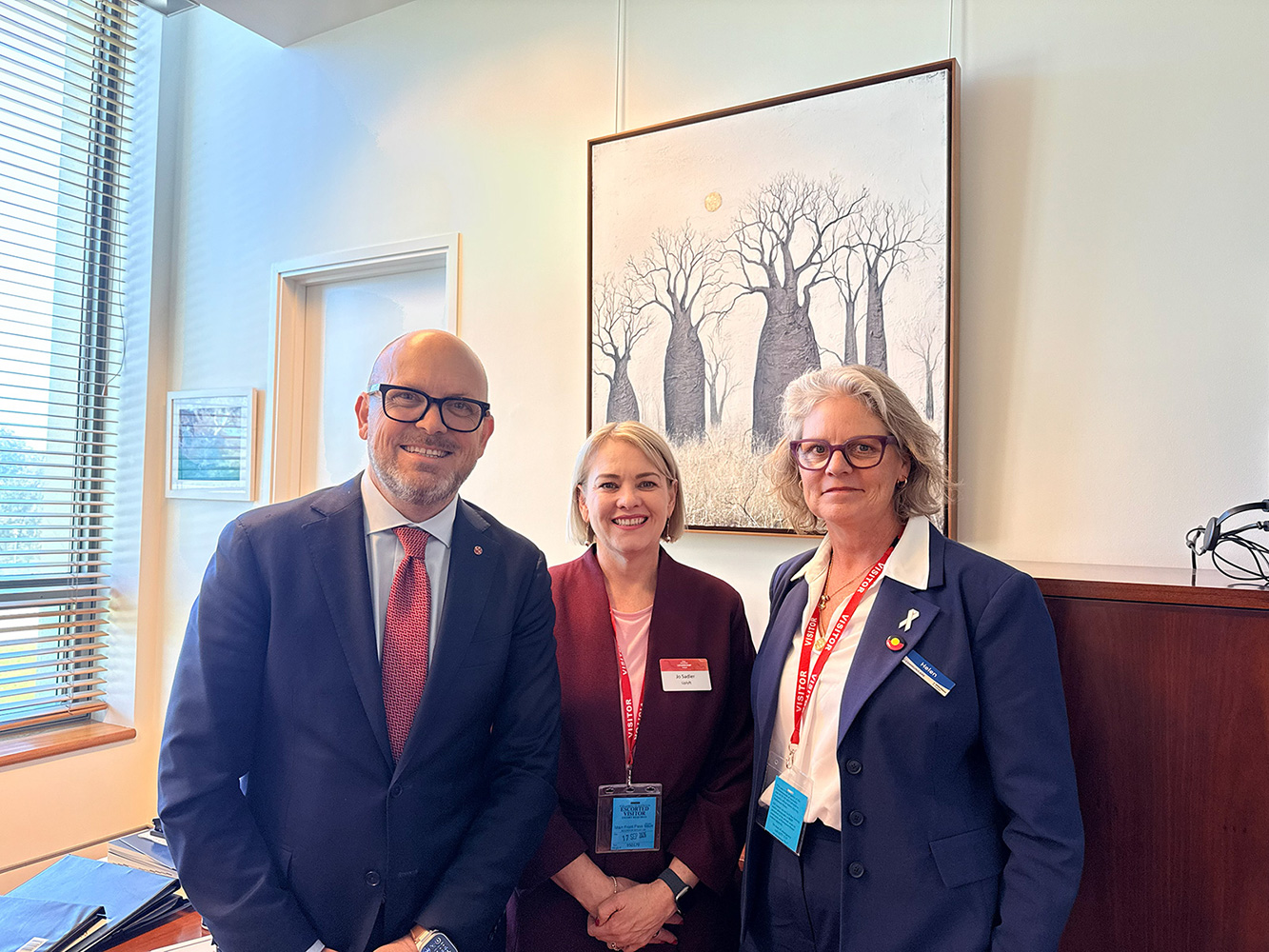
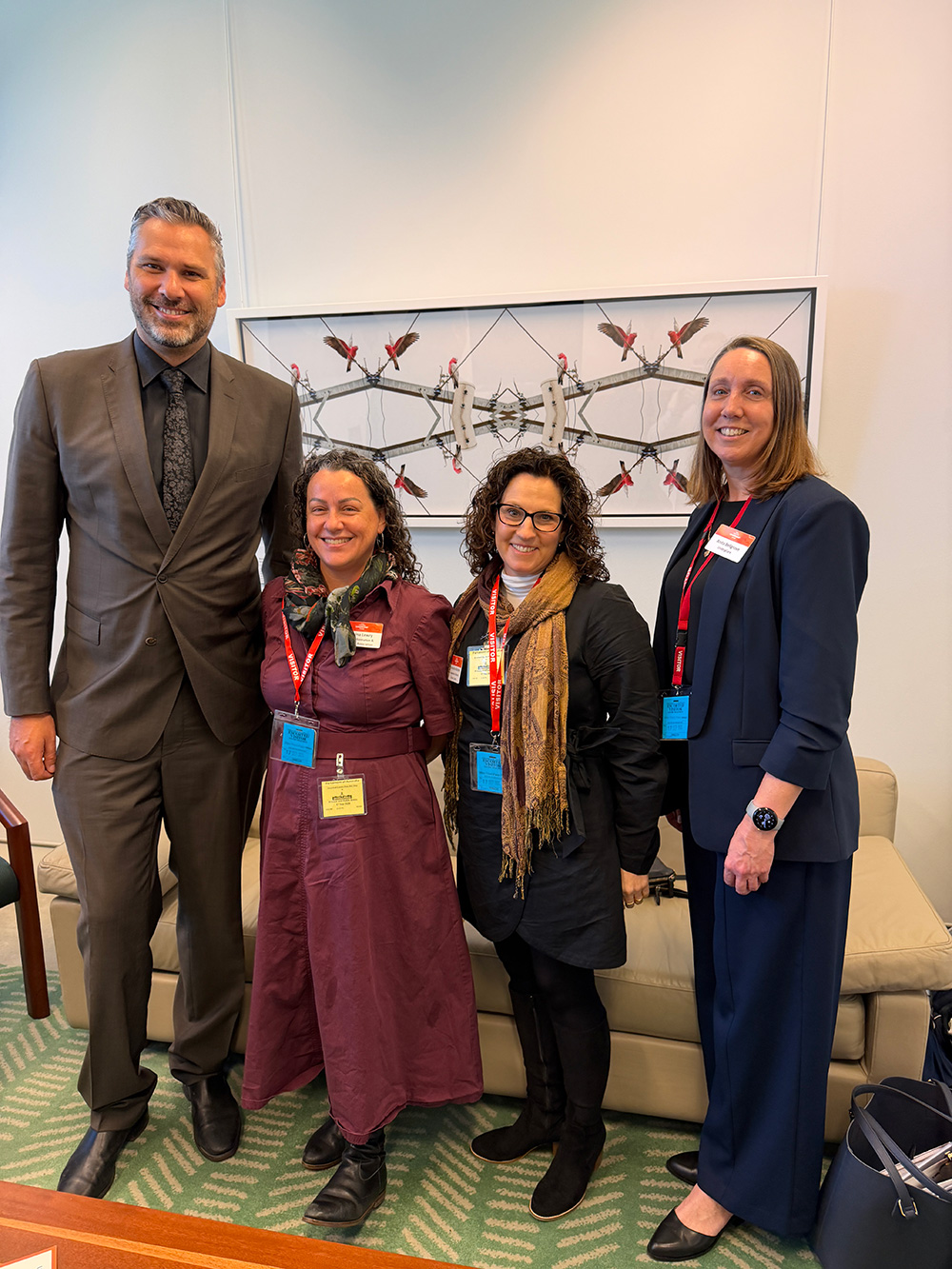
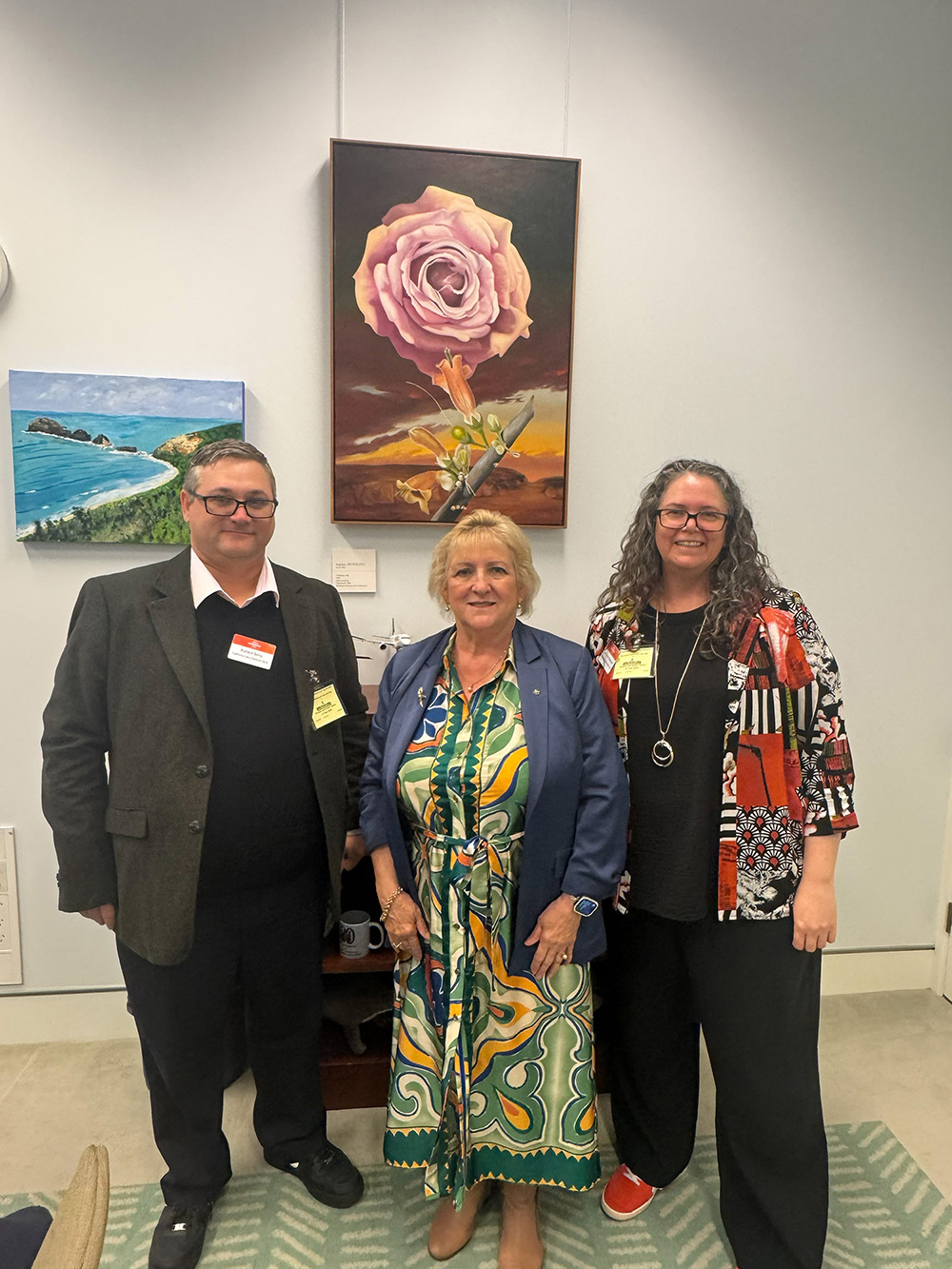
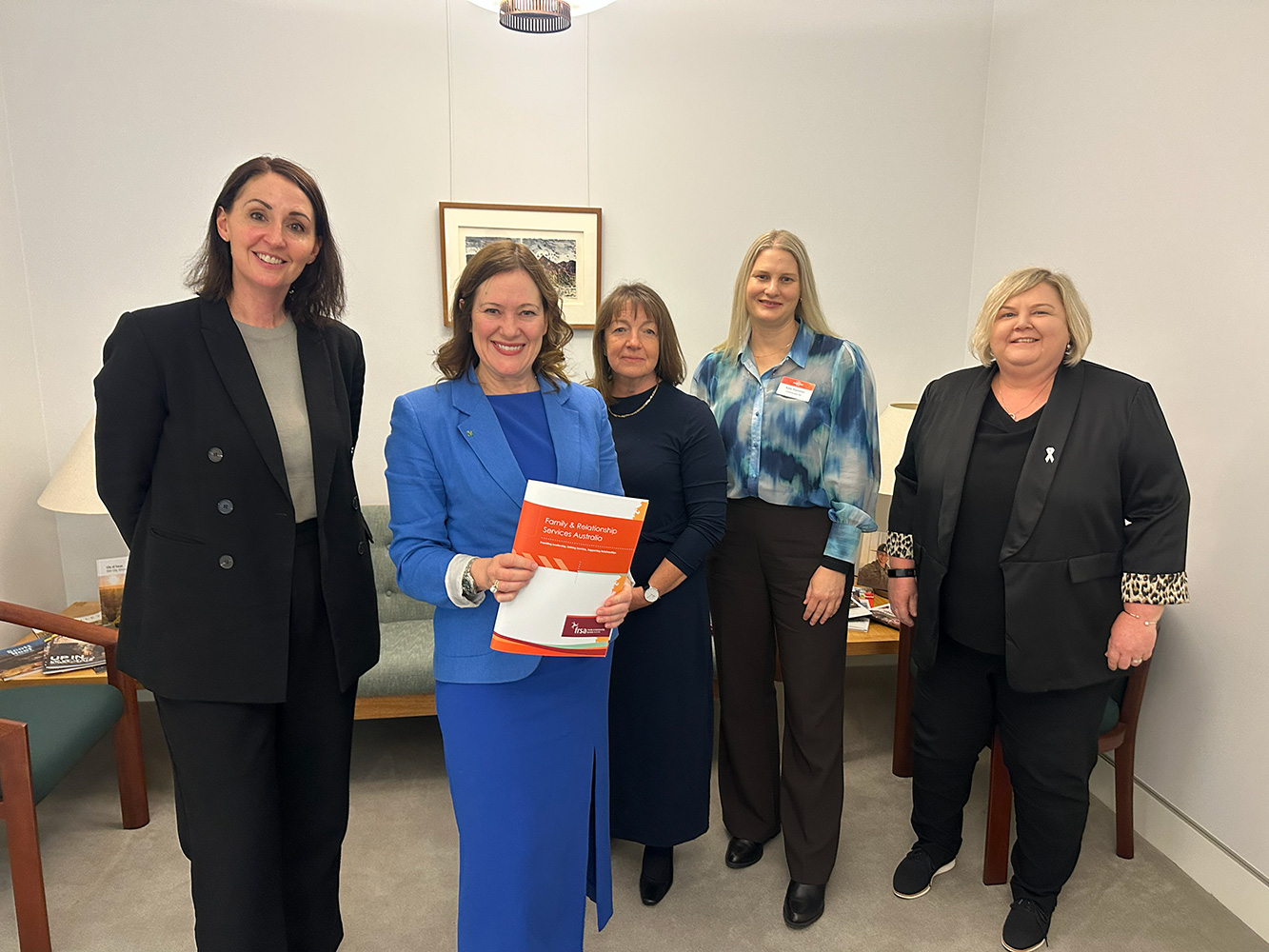
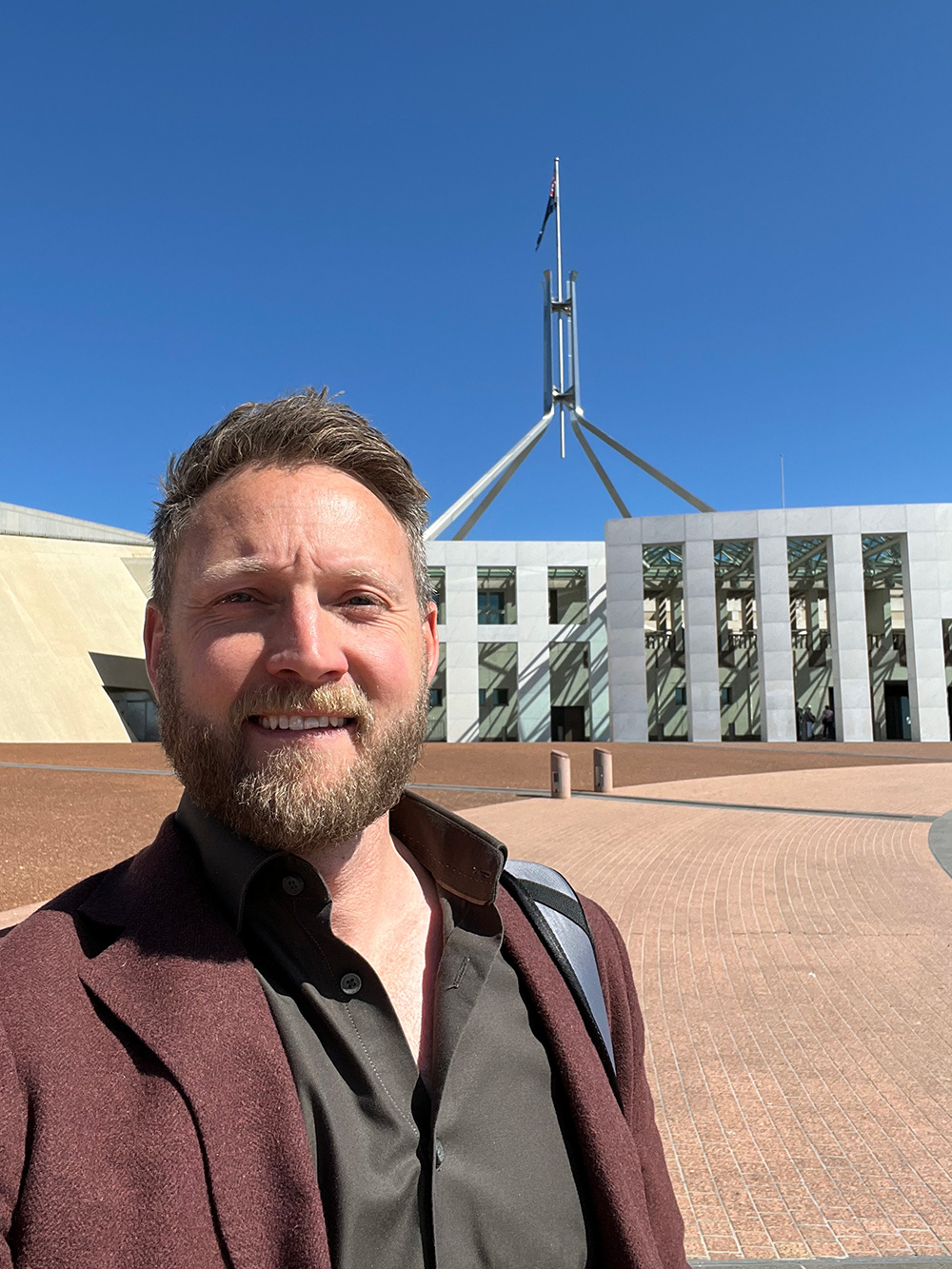
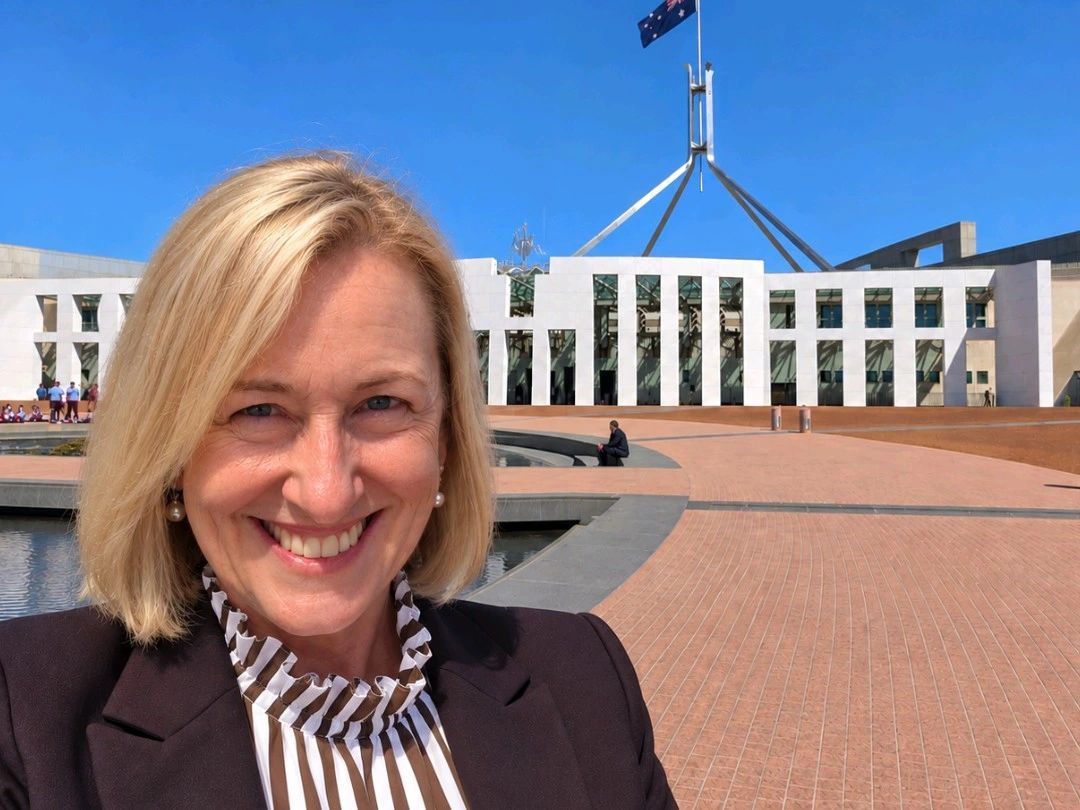
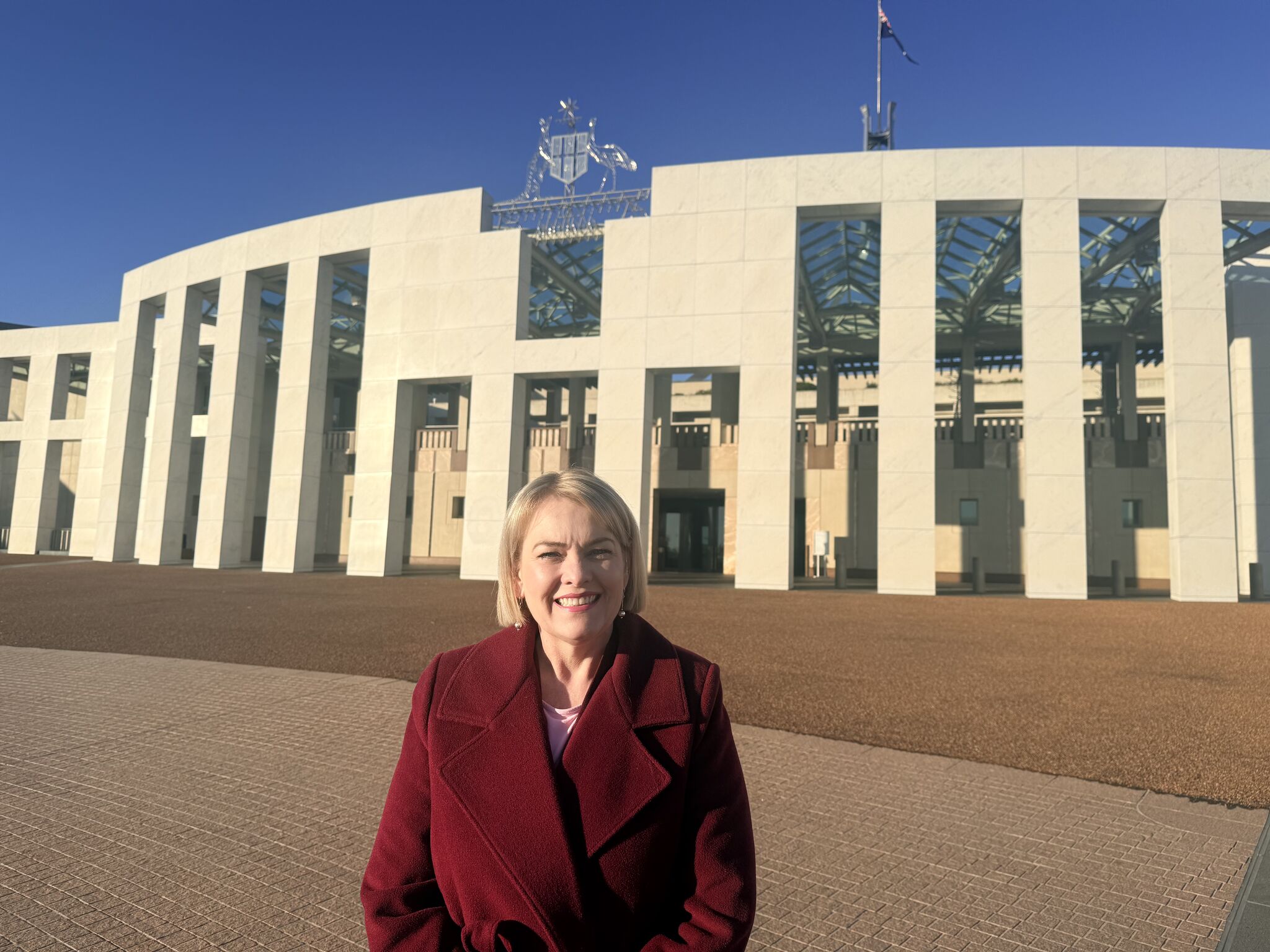
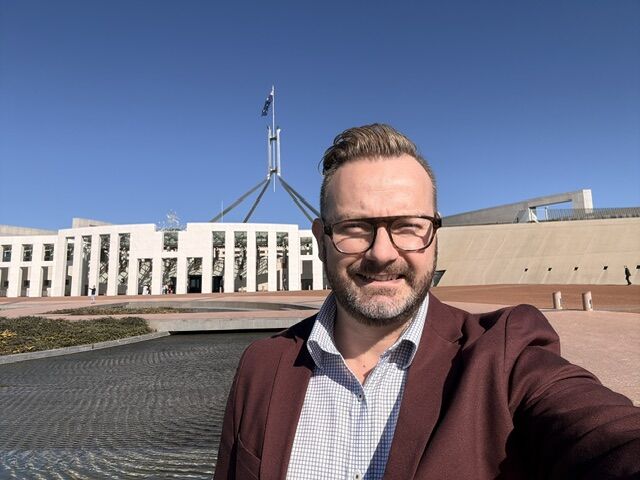
Check out some photos from the meetings between delegates and Politicians and our highlight video from day 2.

FRSA at the AIFS Conference
 It was fantastic to see so many FRSA members represented at the recent AIFS Conference in Melbourne.
FRSA was proud to attend the conference, with our team presenting and connecting with members and colleagues throughout the event. We also hosted a booth, providing an opportunity to showcase FRSA’s work and connect with people from across the family and relationship services sector.
 It was particularly great to see so many of our member organisations taking part in the program, sharing their practice, research and insights through presentations and sessions. Their contributions highlighted the breadth of expertise and innovation across the sector and the important work being undertaken every day to support children, families and communities.
Thank you to everyone who stopped by the FRSA booth, came along to our presentation, or represented their organisation at the conference. It was a great opportunity to connect, share ideas and celebrate the work of our members.
Raise the Rate Survey Report 2026
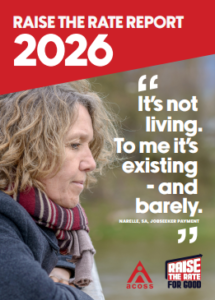 Last week ACOSS released the Raise the Rate Survey Report 2026 with the findings helping to paint a picture of the reality of life on income support payments. While the results are shocking, they won’t come as a surprise to anyone who has had to survive on these payments.
More than 1,500 people receiving JobSeeker, Youth Allowance, Parenting Payment and other working-age payments shared their experiences with ACOSS. From housing and rental costs to groceries, transport, energy bills, healthcare and social connection, people spoke about the daily challenges they face. People were also asked about the impact of living on income support on their physical and mental health, and shared their experiences, concerns and hopes for the future in their own words.
People were surveyed from right around the country, and the message was clear: these payments are not enough to cover what we all need, let alone provide a decent quality of life.
Behind every statistic is a real person making hard choices just to get by. It’s time for the government to act and ensure everyone has enough to live on.
Read the full Raise the Rate Report 2026 and join the call to #RaiseTheRateForGood
Report on the health impacts of alcohol and other drugs in Australia
A recent inquiry into the health impacts of alcohol and other drugs (AOD) in Australia examines whether current policies, treatment services, community programs and workforce settings are effectively preventing and reducing AOD-related harms and supporting recovery. The report highlights changing patterns of alcohol and drug use, including increases in drug use identified through wastewater data and changes in unintentional overdose deaths, and emphasises the need for policy and services to adapt to these trends. With AOD-related harm affecting individuals, families and communities and carrying significant social and economic costs, the inquiry makes 30 recommendations focused on strengthening policy and awareness, improving data collection, reducing harm and exploring innovative approaches. Read the full report.
Long‑term insights report: the future of human services
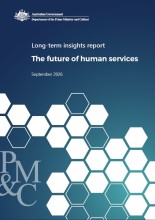 A new Long-Term Insights Report explores the future of human services in Australia, looking 5–10 years ahead to identify emerging trends, risks and opportunities for policy and service delivery. With around 70% of Australians accessing a human service each year, the report highlights growing community demand and expenditure, increasing complexity in accessing support, and expectations for services that are easy to navigate, tailored and equitable. It identifies opportunities to strengthen trusted partnerships and collaboration, increase investment in prevention and early intervention, harness technology and data, and rethink the role of government in delivering human services.

Practice in Action 2026: Advancing Practice Through Collaboration and Shared Learning
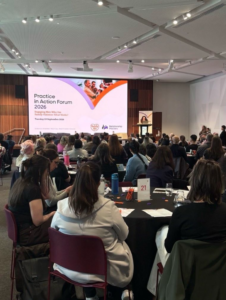 Last week, Family Life and Relationship Matters hosted the Practice in Action Forum 2026 in Melbourne. The forum brought together practitioners, leaders and sector partners committed to strengthening responses to family violence and coercive control. The event featured thought-provoking keynote presentations from Dr Hayley Boxall and Dr Michael Wilson, alongside rich discussions that highlighted the complexity of this work and the importance of collaboration across services and sectors.
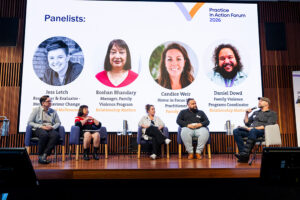 Throughout the day, key themes emerged around the need for long-term, sustained approaches to change, the critical role of victim-survivor voices in informing practice, and the understanding that behaviour change programs are only one part of a broader system response. A recurring message was that no single practitioner, program or organisation can address these challenges alone. Meaningful change requires collective effort, shared responsibility, and strong partnerships.
The forum also recognised the extraordinary dedication and expertise of practitioners working in this space.
Tracey Burton retires as Uniting NSW.ACT's CEO
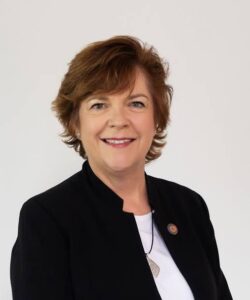 After eight years as Chief Executive Officer of Uniting NSW.ACT, Tracey Burton has retired.
“I’m just so proud to have been part of this team and everything that we’ve done together,” she said.
Tracey joined Uniting in April 2018. Over the past eight years, she helped guide Uniting through some of the most significant challenges in their history, including bushfires, floods, COVID and major aged care reform. She also led work on Uniting’s 10-year strategy and supported the First Nations People and Place strategy.
Ben Keneally was appointed CEO in July and will commence with the organisation next month.
FRSA wishes Tracey all the best for the future.
Join the Thriving Kids Roadshow
Michael Hawton’s 35 years in practice point to a parenting culture that’s treating kids as fragile, over-pathologising normal struggle, and making unhelpful accommodations that leave children no more resilient.
From October 2026, Thriving Kids begins rolling out across Australia.
If you work with families under pressure, you know the gap between what parents need and what they’re actually getting. This Roadshow closes that gap, giving practitioners in Melbourne, Sydney and Brisbane evidence-based tools you can use with your very next client.
We want to help you equip parents as confident trainers and mentors who combine warmth with structure so kids build real resilience, through 123 Magic, Engaging Adolescence and Anxiety Coach courses, so you can run with parent groups or one on one.
These programs are evidence-based, ready to deliver, backed by research, and straightforward to facilitate.
Register at: https://www.parentshop.com.au/
Helen Mitchell appointed CEO of Communicare and White Ribbon Australia
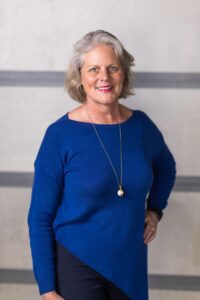 Helen Mitchell has been appointed as Communicare and White Ribbon Australia’s new Chief Executive Officer.
“Since joining Communicare, Helen has become a trusted and valued member of our leadership team. She brings a deep commitment to our purpose, a genuine care for people, and a strong understanding of the communities we work alongside,” Communicare said in their announcement.
Helen was previously Acting CEO and shared on her LinkedIn that she is excited about this opportunity is leading organisations that change lives every day.
“I step into this role guided by the values that matter most to me: honesty, integrity, kindness and curiosity. I don’t have all the answers, but I believe in listening, learning and working alongside great people to create positive change,” she said.
Congratulations to Helen on her new role, FRSA looks forward to continuing to work together in the future.
Relationships Australia's Theory of Change for Men's Behaviour Change Programs
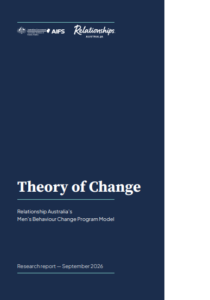 Relationships Australia has released a new research report on the Theory of Change for men’s behaviour change programs (MBCPs).
The Theory of Change brings together research evidence and practice expertise from across Relationships Australia to make explicit how change is expected to happen. It identifies the common aims, activities and mechanisms that underpin MBCPs, while recognising that accountability and behaviour change sit at the centre of the work.
The Theory of Change acknowledges that the ultimate goal is to improve the safety and wellbeing of women, children and other family members affected by violence.
The framework highlights areas where further evidence is needed. While there is growing knowledge about effective practice, the evidence base remains limited in some areas, and measuring long-term outcomes can be challenging. Rather than presenting a definitive model, the Theory of Change provides a foundation for evaluation, learning and continuous improvement.
At a time when there is an urgent need to strengthen responses to domestic and family violence, building a stronger evidence base is essential. The Theory of Change will support more consistent evaluation, shared learning and improved practice across the sector, helping better understand how Men’s Behaviour Change Programs contribute to safer families and communities. Read the full report

National Workforce Survey 2026
 The 2026 Emerging Minds National Workforce Survey for Child, Parent and Family Mental Health is now open to practitioners across Australia’s health, education, social and community service sectors. The survey explores workforce knowledge, skills, confidence, challenges and practice in responding to children’s mental health needs. You don’t need to work directly with children or specialise in mental health to participate. The findings will help inform policy, advocacy, workforce learning and the development of resources to support the sector to meet the changing needs of children and families.
- Takes approximately 25 minutes
- Confidential participation
- Open until 30 November 2026
- Chance to win one of five iPads
Building better support systems for children with disability, developmental delay or neurodivergence
A new research study led by the University of Queensland is exploring families’ experiences accessing disability, health and education supports for children aged 0–8 with disability, developmental delay or neurodivergence. The research aims to identify families’ experiences and priorities and inform the redesign of disability support systems. Australian parents and primary caregivers of eligible children are invited to complete a 15-minute online survey, with findings intended to strengthen consumer-driven research and transdisciplinary approaches to support.
National Multicultural Children (NMC) Scoping Project
 The NMC Scoping Project is a national consultation exploring what multicultural children need to feel safe, included and able to thrive. The project is listening directly to children, parents and carers, multicultural organisations, community leaders and professionals across Australia to understand what is working, where families experience barriers, and what needs to change. Consultation is taking place through community conversations, events and confidential surveys, including opportunities for families in regional, rural and remote areas to participate. Findings will inform a national report with recommendations for policy, investment and services to better support multicultural children and families.

CHC81015 Graduate Diploma of Relationship Counselling – June 2026, Online
CHC81115 Graduate Diploma of Family Dispute Resolution – July 2026, Online
Couples Counselling Course: A contemporary and client-focused approach

WA
General Manager Family Law Services | Centacare Family Services
If you have any events you’d like listed on the FRSA Events and Training Calendar or job vacancies you’d like listed on the FRSA Jobs Board, email Communications Officer, Vanessa Lam at communications@frsa.org.au. Please note that posting onto the FRSA website is reserved for FRSA Members only.

Australia’s youth justice and incarceration system | Senate Legal and Constitutional Affairs References Committee
The report from an inquiry into Australia’s youth justice and incarceration system, with reference to its outcomes and impacts in jurisdictions across Australia; the over-incarceration of First Nations children; the degree of compliance and non-compliance by state, territory and federal prisons and detention centres; and the Commonwealth’s international obligations. It provides four recommendations.
Hit and miss: who benefits from state concessions and cost-of-living support? | First Nations Health and Wellbeing: The Lowitja Journal
 A new report examines the $12 billion in concessions and cost-of-living support provided by state and territory governments to Australian households in 2026, finding that the current patchwork of programs is complex and does not consistently direct support to those who need it most. Because many concessions are linked to household consumption or assets, higher-income households can receive a greater share of benefits, while support also varies significantly between states and population groups. The report recommends consolidating existing concessions into a targeted Cost-of-Living Allowance for lower-income households, with future cost-of-living payments similarly targeted and better supported through the use of Services Australia data.
The Raising Healthy Minds App | Frameworks Institute, Curijo & Minderoo Foundation
 The Raising Healthy Minds App from the Raising Children Network has been accredited under the National Safety and Quality Digital Mental Health Standards, validating its effectiveness as a digital mental health tool for parents and carers. The App is co-designed with parents and mental health experts and funded by the Australian Government, Raising Healthy Minds Supports children’s social and emotional wellbeing.
Reducing harms related to pornography for young people: what the evidence says | Australian Institute of Family Studies
 This resource summarises the evidence on young people’s exposure to and use of pornography, including potential harms and approaches to reducing them. It provides practitioners and educators with evidence-informed considerations for supporting young people.
Global Gender Report 2026 | World Economic Forum
 The World Economic Forum’s Global Gender Gap Report 2026, marking its 20th edition, finds that while nearly every economy has made progress towards gender parity since 2006, full gender parity remains 120 years away. No economy has yet achieved full parity, with political empowerment showing the greatest long-term gains but experiencing a recent reversal. Women remain underrepresented in positions of greatest influence, holding just 19% of CEO roles, while only one in 10 ministerial portfolios held by women are considered high influence. The report also highlights a significant gender gap in emerging industries, with women making up fewer than one in five AI engineers and remaining underrepresented across AI firms.
Doing what works: social services commissioning that delivers for communities | Centre for Policy Development
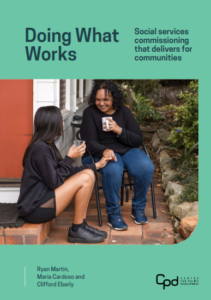 This report argues that while Australia’s social services system is generally considered high quality, ineffective commissioning processes are contributing to rising costs, duplication, excessive compliance and services that do not always reflect community needs. It calls for practical reform to ensure commissioning delivers better outcomes and value for money. Six recommendations focus on strengthening commissioning capability, improving understanding of frontline service delivery, giving contract managers greater decision-making authority, supporting innovation in probity advice, developing a commissioning capability framework, and reviewing procurement and funding rules to better support community outcomes.
Restorative justice and sexual violence: expanding possibilities and practice | Australian Institute of Criminology
 This study explores restorative justice approaches to sexual violence in the Australian Capital Territory. The findings demonstrate how restorative justice bridges violence prevention and response, with implications for policy and practice development. The study highlights the importance of survivor agency, trauma-informed practice and cultural safety.
Healthy minds, healthy bodies, healthy relationships | ANROWS
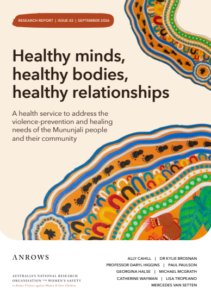 A new community-led research project with the Mununjali community in South East Queensland highlights the importance of self-determination, cultural safety and First Nations leadership in designing services. The research found significant unmet mental and physical health needs, with trauma, intergenerational harm and experiences of violence contributing to complex support needs. Community members also face substantial barriers to accessing health care, including limited local services, transport challenges and a lack of trust in mainstream services. In response, the project co-designed a holistic service model centred on healthy minds, healthy bodies and healthy relationships, offering a potential model for culturally safe and community-led service delivery in other First Nations communities.
Elder abuse in regional, rural and remote Australian communities | First Nations Health and Wellbeing: The Lowitja Journal
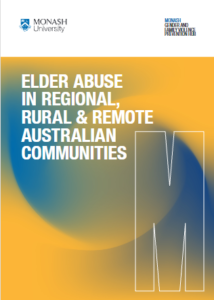 A new report examines elder abuse in regional, rural and remote (RRR) Australia, drawing on the experiences of older people and stakeholders to identify challenges in preventing, recognising and responding to abuse. It highlights geographic and social isolation as significant barriers to accessing support, alongside shame, fear, lack of privacy, stigma, financial insecurity, transport difficulties and a desire to maintain family relationships. Family members- particularly adult children, grandchildren and intimate partners were most commonly identified as perpetrators. The report provides recommendations and opportunities to strengthen community capacity, service responses and prevention efforts in RRR communities.
Progress of the Infant, Child and Adolescent Mental Health System Transformation Program | Office of the Auditor General (Western Australia)
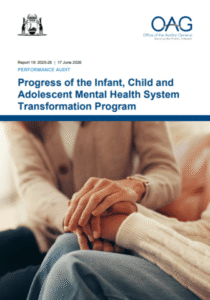 This audit assessed if the Infant, Child and Adolescent Mental Health System Transformation Program in Western Australia is being effectively implemented. The report concludes the transformation program has lost momentum and the entities involved cannot demonstrate it is achieving expected outcomes.
Want to submit something to the FRSA eBulletin?
If you have an news item or event that you would like to be featured in a future eBulletin please submit your announcement via the form below or email communications@frsa.org.au with the subject “FRSA eBulletin submission”.
Please note FRSA members receive priority for items posted in the eBulletin. And to keep information current, relevant and useful, submissions will not be repeated from week to week.
Subscribe
Subscribe to receive future eBulletin editions directly to your inbox!
